

Key Takeaways
- Many popular natural remedies safe for humans are toxic to cats, dogs, or other pets.
- The 'natural' label does not mean safe — dose, species, and formulation all matter.
- Delaying veterinary care while trying home remedies can worsen a pet's condition significantly.
- Always consult a veterinarian before introducing any new treatment, even herbal or plant-based ones.
- Some dangerous remedies are widely shared online with little scientific backing or safety data.
Why 'Natural' Doesn't Always Mean Safe for Pets
It's a reassuring word — natural. But when it comes to your pet's health, it can be genuinely misleading. Many substances that occur in nature, or that support human wellness, are toxic to cats, dogs, birds, and other companion animals. The difference often comes down to metabolism: animals process compounds differently than we do, and even small exposures can trigger serious reactions.
The growing interest in holistic and home-based pet care has produced a wave of well-meaning advice online — some of it sound, much of it unsupported by veterinary science. Navigating that landscape thoughtfully is one of the most important things you can do as a pet owner. This article focuses on the most common mistakes people make when reaching for natural remedies, and why veterinary guidance should always come first.
~400,000
Pet poison cases reported annually in the U.S.
The ASPCA Animal Poison Control Center handles hundreds of thousands of calls each year, with household products and plants among the most common exposures.
Top 3
Household toxin categories for pets
Human medications, foods, and household plants — including many considered 'natural' — consistently rank among the leading causes of pet poisoning cases.
Common Mistakes Pet Owners Make With Natural Remedies
The following errors are among the most frequently seen by veterinary professionals. They stem not from carelessness, but from genuine love for animals — combined with misinformation that makes risky choices seem reasonable.
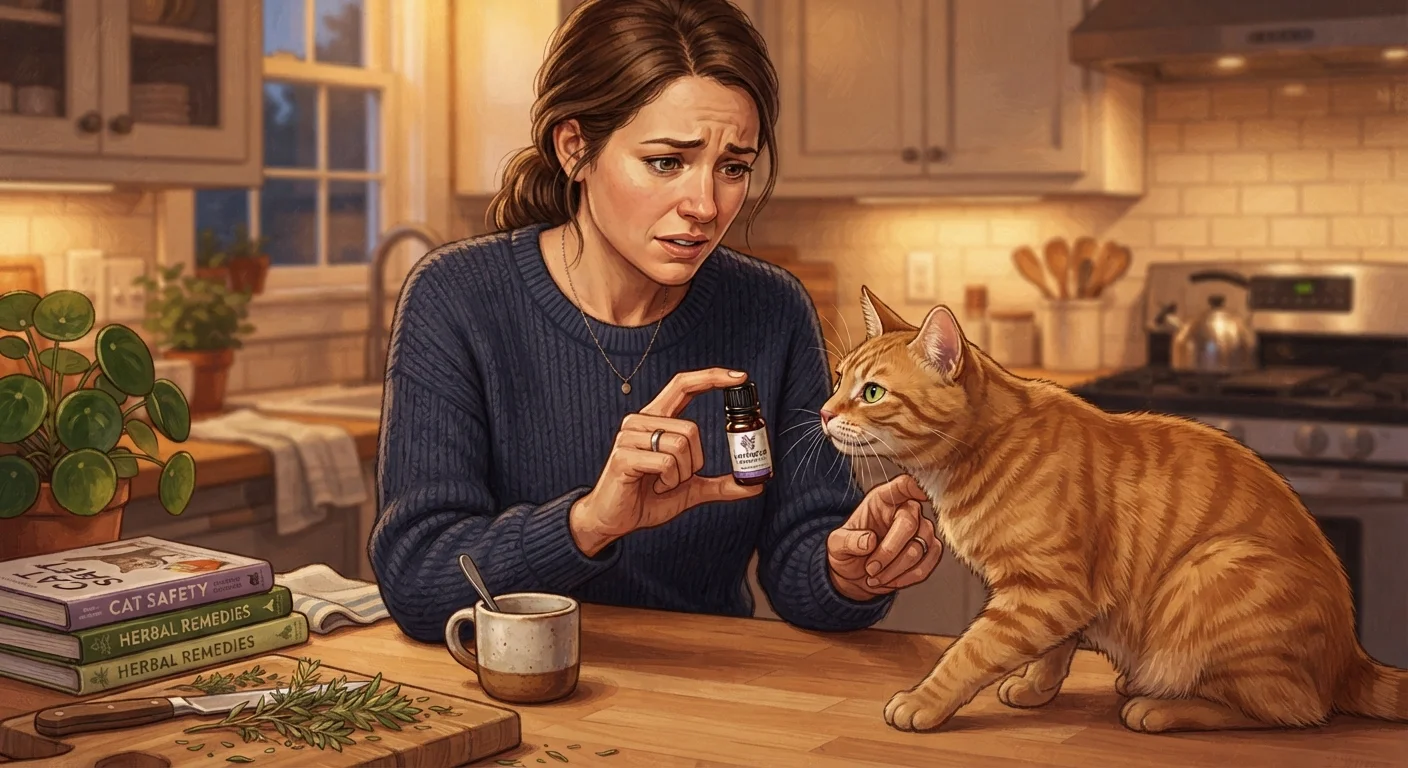
Using essential oils on or around pets as a flea or calming treatment.
Why it happens: Essential oils have a wellness reputation in human health circles, and pet-focused content online often suggests them without adequate safety caveats.
Applying garlic or onion-based home remedies to repel parasites or boost immunity.
Why it happens: Garlic is widely praised in human nutrition, and some online sources promote it as a natural flea deterrent or immune booster for dogs.
Giving human herbal supplements — like valerian, melatonin, or St. John's Wort — without veterinary guidance.
Why it happens: Pet owners experiencing anxiety in their animals naturally reach for remedies they trust in their own lives, assuming shared biology means shared safety.
Using raw or unpasteurized food remedies based on the belief that 'natural equals nutritious and safe.'
Why it happens: The appeal of less-processed food is understandable, but this thinking often ignores pathogen risks and nutritional imbalances. Our article on raw diet misconceptions explores this tension in detail.
Delaying a vet visit by treating symptoms at home with natural remedies first.
Why it happens: Home remedies feel low-risk and accessible, and many pet owners hope to avoid the cost or stress of a vet appointment for what seems like a minor issue.
Essential Oils Are Not Pet-Friendly
Many essential oils — including tea tree, eucalyptus, peppermint, and citrus — are toxic to cats and dogs even in small amounts. Diffusing them in the air or applying them to your pet's coat can cause neurological symptoms, liver damage, or respiratory distress. Never apply essential oils to a pet without explicit veterinary approval.
If you're ever uncertain whether something is safe, the safest default is to contact your vet before use, not after. New pet owners especially benefit from building that habit early — see common first-year pet ownership mistakes for broader context on building a strong foundation of care.
When in Doubt, Call Your Vet First
If your pet has ingested a substance you're unsure about, contact your veterinarian or the ASPCA Animal Poison Control Center immediately. Do not wait for symptoms to appear. Time-sensitive intervention can be the difference between a full recovery and serious, lasting harm.
How to Approach Your Pet's Health More Safely
Being cautious about natural remedies doesn't mean dismissing all complementary approaches — it means applying the same critical thinking you'd use for any health decision. Veterinary medicine continues to evaluate many plant-based and integrative treatments, and some have genuine merit when used appropriately under professional supervision.
The key is partnership. Your veterinarian can help you distinguish between evidence-supported options and those that carry real risk. They can also help you weigh environmental and lifestyle factors — questions like indoor versus outdoor access, for example, can affect your pet's exposure to toxins and parasites alike. Our piece on indoor vs. outdoor pet trade-offs covers that terrain thoughtfully.
Ultimately, being a responsible pet owner means resisting the comfort of easy answers — and trusting the professionals who've dedicated their careers to animal well-being.
This article is for general informational purposes only and does not constitute veterinary or medical advice. Always consult a licensed veterinarian before making changes to your pet's health care or diet.