
Socialising Your Pet Early: Why the Window Matters More Than Most Owners Realise

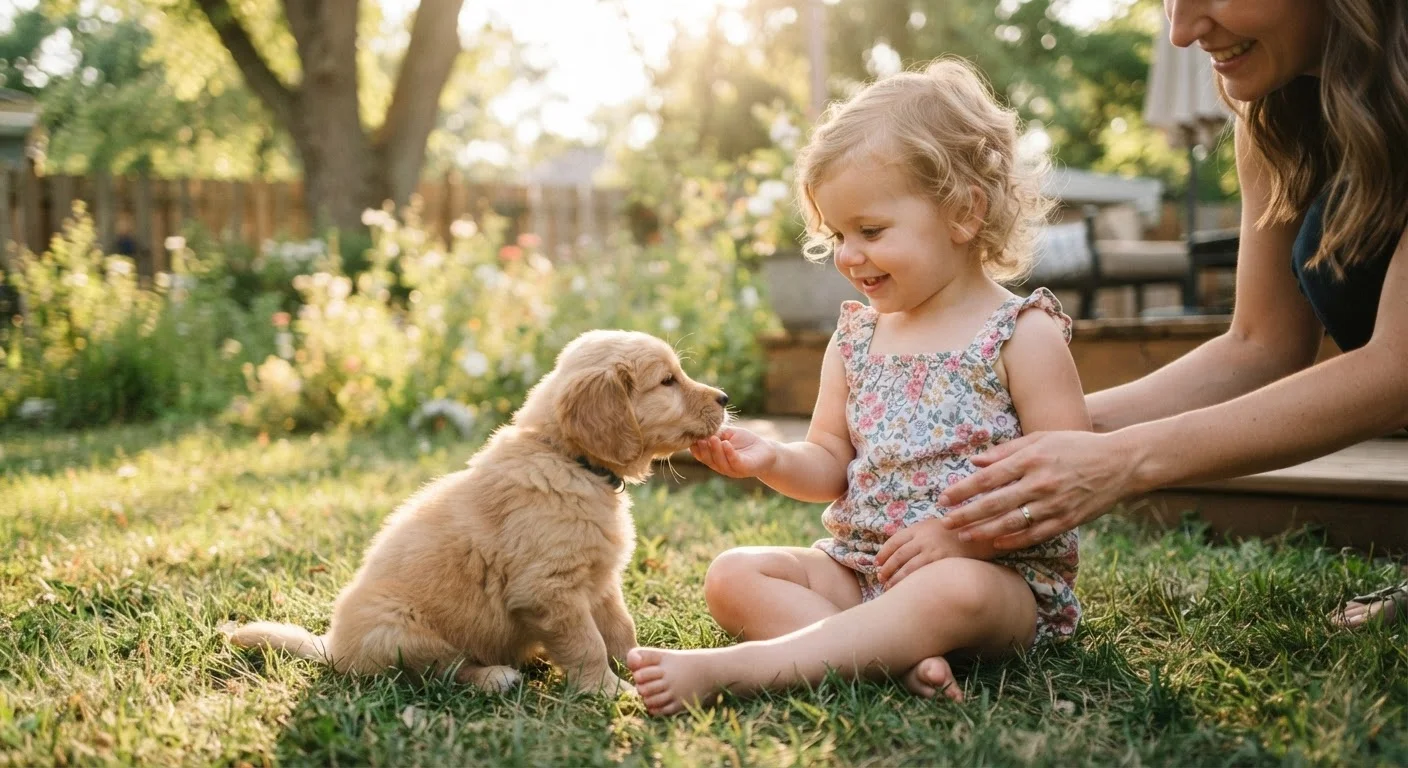
Key Takeaways
- Most dogs have a primary socialisation window that closes around 12–16 weeks of age.
- Positive early exposure to sounds, people, and environments reduces fear-based behaviour later in life.
- Socialisation should be gradual, positive, and never forced — quality matters more than quantity.
- Cats, rabbits, and other pets also benefit from early, gentle handling and environmental exposure.
- Missed early windows don't mean all is lost — careful, patient desensitisation can still help adult animals.
Why Timing Is Everything in Pet Socialisation
When we bring a new animal home, it's easy to focus on the immediate practicalities — food, bedding, vet appointments. But beneath the surface, something far more consequential is happening. During a brief, biologically defined period early in life, a young animal's brain is primed to absorb and catalogue the world as normal. Experiences encountered during this window shape neural pathways that influence how the animal perceives novelty, handles stress, and relates to other species — including humans — for the rest of its life.
For puppies, developmental science consistently points to a sensitive socialisation period running roughly from 3 to 16 weeks of age, with peak sensitivity often described as occurring before 12 weeks. For kittens, this window tends to close even earlier, around 7–9 weeks. Missing or mismanaging this period doesn't just leave gaps in a pet's comfort — it can contribute to fear, reactivity, and anxiety that becomes genuinely difficult to address later. See our deeper look at the puppy socialisation window for species-specific detail on what this period involves.
Best Practices for Early Socialisation
Knowing the window exists is only the beginning. How you socialise matters as much as whether you do. The following practices reflect guidance supported by animal behaviour research and promoted by veterinary professionals.
Introduce new stimuli gradually and pair each one with something positive
A young animal's nervous system is learning what is safe. Overwhelming a puppy or kitten with too much novelty at once can trigger fear responses that become associated with those stimuli long-term. Pairing new experiences with calm praise or a small food reward helps the brain form positive associations.
Expose your pet to a wide variety of people, including different ages, appearances, and movement styles
Animals that are only exposed to one type of person during the sensitive period can become fearful or reactive toward unfamiliar humans later. Early, positive contact with children, older adults, people using mobility aids, and those in hats or uniforms builds broader social tolerance.
Never force interaction — always let the animal set the pace
Forcing a frightened pet into contact they haven't chosen can be counterproductive and even traumatic, reinforcing rather than resolving fear. Allowing the animal to approach on their own terms preserves their sense of agency and builds genuine confidence rather than learned helplessness.
Expose young animals to common household sounds and environments early
Household appliances, traffic noise, children playing, and the sounds of urban or rural life are all potential stressors for an animal encountering them for the first time as an adult. Early, calm exposure makes these sounds part of the animal's baseline normal.
Handle your pet's paws, ears, and mouth regularly from an early age
Routine veterinary care, grooming, and health checks all require an animal to tolerate handling that might otherwise feel threatening. Early, gentle desensitisation to physical examination reduces stress for both the animal and the people caring for them.
If you're still in the pre-adoption phase, our pre-adoption checklist can help you think through readiness before day one.
Quick Wins You Can Start Today
Whether you're in the middle of the socialisation window or working with an older animal, there are meaningful steps you can take right now.
Socialisation and Vaccination: A Careful Balance
Some new owners worry that socialisation must wait until a puppy is fully vaccinated. Veterinary guidance generally supports beginning carefully managed socialisation before the full vaccine series is complete, because the risk of lasting behavioural harm from missed socialisation is also real. Speak with your veterinarian about which environments and interactions are appropriate at each stage of your pet's vaccine schedule — the answer will depend on local disease risk and your individual animal's situation.
For a broader look at making the transition home as smooth as possible, see our guide on introducing a new pet to your home.
When the Window Has Already Closed
It's worth saying plainly: not every pet owner finds their animal at eight weeks. Rescue dogs, rehomed cats, and older animals may have missed structured early socialisation entirely — sometimes through neglect, sometimes simply because of circumstance. This does not mean those animals are beyond help.
“Behaviour problems are the number one reason animals are relinquished to shelters. Most of those problems trace back to inadequate socialisation during the sensitive period — but even adult animals retain the capacity to learn when approached with patience and positive reinforcement.”
— American Veterinary Society of Animal Behavior, Professional veterinary organisation focused on animal behaviour science
Adult animals can and do learn to tolerate and even enjoy new experiences through gradual, reward-based desensitisation and counter-conditioning. Progress is typically slower and may require professional guidance from a certified animal behaviourist or trainer, but it is real. Major life transitions — like moving homes or welcoming new household members — can complicate this process. Our article on preparing pets for life changes offers practical strategies for navigating those moments.
Explore more guidance across our Pet Behavior & Training hub and Pet Health & Wellness hub for resources tailored to every stage of your pet's life.
This article is for general informational purposes only and does not constitute veterinary or professional behavioural advice. Always consult a qualified veterinarian or certified animal behaviourist for guidance specific to your pet's needs.