

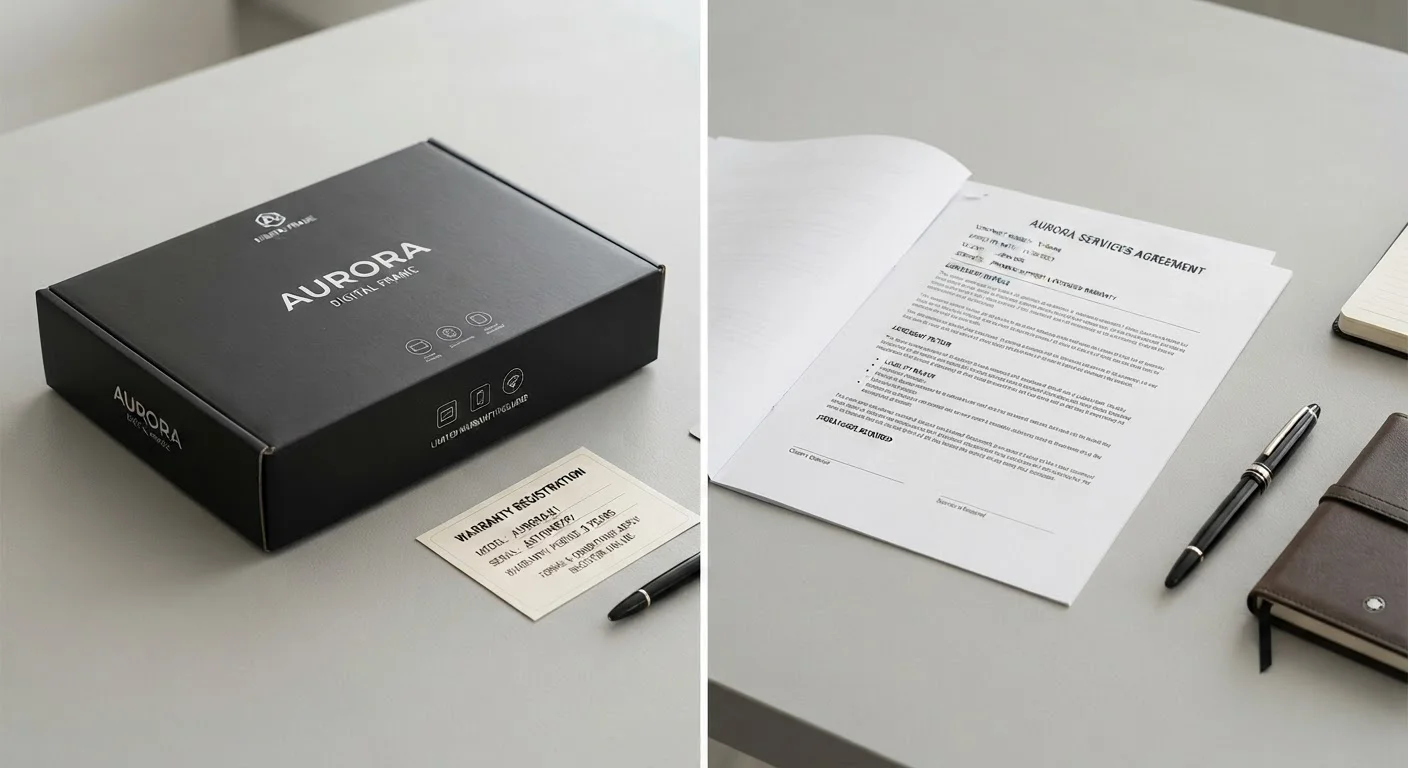
Key Takeaways
- Manufacturer warranties are included in the purchase price and cover defects in materials or workmanship.
- Extended warranties are optional, paid contracts that activate after or alongside the original warranty.
- Coverage scope, claim processes, and who administers the plan differ significantly between the two.
- Consumer rights under federal law (Magnuson-Moss Warranty Act) apply to manufacturer warranties on goods.
- An extended warranty's value depends heavily on the product type, reliability history, and contract terms.
Option A
Manufacturer Warranty
The baseline protection built into every purchase.
Best for: Consumers who want standard defect coverage at no extra cost during a product's early life.
Option B
Extended Warranty
An optional, paid plan that picks up where the original coverage ends.
Best for: Shoppers seeking longer-term protection, especially on high-cost or failure-prone products.
If you want baseline protection at no additional cost
Manufacturer Warranty
Every new product comes with at least an implied warranty by law. The manufacturer's written warranty is your first line of defense against defects — and it costs nothing extra.
If you own a high-cost appliance or electronics item past its original warranty period
Extended Warranty
For expensive items where repair costs could be significant, a well-structured extended warranty contract may offset risk — provided you read the exclusions carefully before signing.
If you're buying a refurbished or used product
Extended Warranty
Refurbished goods may carry shorter or limited manufacturer coverage. A third-party extended plan can bridge meaningful gaps, though terms vary widely by provider.
If you want predictable, legally standardized protections
Manufacturer Warranty
Manufacturer warranties on consumer goods are governed by the Magnuson-Moss Warranty Act, giving you clearer federal-level rights and remedies than most extended warranty contracts.
What Each Warranty Actually Is
A manufacturer warranty — sometimes called a factory warranty — is a written promise from the company that made the product. It commits to repairing or replacing items that fail due to defects in materials or workmanship within a defined period. It comes bundled with the purchase price: you don't pay separately for it.
An extended warranty (also called a service contract or protection plan) is an optional, paid agreement purchased separately. It may be offered by the manufacturer, the retailer, or an independent third party. It typically extends coverage beyond the original warranty window, though some plans overlap with it.
The distinction matters because the two instruments operate under different rules. Manufacturer warranties on consumer goods sold in the US are regulated by the federal Magnuson-Moss Warranty Act, which requires clear written disclosure of warranty terms. Extended warranties, by contrast, are service contracts and are primarily governed by state contract law — with far less standardized federal oversight. For a deeper look at what the fine print in either document actually means, see our guide to warranty terms and exclusions.
| Criterion | Manufacturer Warranty | Extended Warranty |
|---|---|---|
| Cost to consumer | Included in purchase price | Paid separately, varies widely |
| Who administers it | The product manufacturer | Manufacturer, retailer, or third party |
| Federal regulation | Magnuson-Moss Warranty Act | State contract law (varies by state) |
| Typical duration | 90 days to 3 years | 1 to 5 years beyond original warranty |
| Covers accidental damage | Generally no | Depends on the specific plan |
| Claim process | Standardized by manufacturer | Varies significantly by provider |
| Transferability | Usually not transferable | Some plans allow transfer on resale |
Key Differences That Shape Real-World Value
Understanding what each plan covers — and, critically, what it excludes — is where most consumer confusion occurs.
Manufacturer warranties typically exclude accidental damage, normal wear and tear, cosmetic damage, and issues caused by user error or unauthorized modifications. Coverage is limited to manufacturing defects, which means if your laptop's screen cracks from a drop, the factory warranty almost certainly won't apply.
Extended warranties vary enormously. Some plans do cover accidental damage; others are nearly as narrow as the original warranty but simply last longer. Deductibles, claim limits, and service provider networks differ by contract. A plan administered by a reputable insurer with a clear claims process is a fundamentally different product from a loosely written retailer contract.
~55%
Consumers who purchased an extended warranty
According to Consumer Reports surveys, roughly half of appliance buyers have purchased an extended warranty at some point, though satisfaction with claims varies considerably.
1 year
Common credit card warranty extension
Many major US credit cards automatically extend a manufacturer's warranty by up to one year on eligible purchases made with the card, at no additional cost.
Before purchasing an extended warranty, read the full contract — not just the marketing summary. Pay particular attention to: what triggers are explicitly excluded, whether the plan covers parts and labor, how claims are filed, and whether coverage is transferable if you sell the item. This kind of consumer due diligence is core to sound product evaluation practice.
When Each Option Makes More or Less Sense
There is no universal answer about which form of coverage delivers better value — context determines that. A few factors are worth weighing carefully.
Product reliability data: Some product categories have well-documented failure rates above the manufacturer warranty window; others rarely need post-warranty repair. Consumer reliability surveys (published by non-commercial organizations) can provide useful signal here.
Cost of the item vs. cost of the contract: An extended warranty priced at 20–30% of the product's purchase price represents a significant upfront commitment. Consider whether that money set aside in a dedicated repair fund might serve you just as well over time.
Credit card protections: Many major credit cards extend manufacturer warranty coverage by one year at no cost when you use the card to purchase qualifying items. This built-in benefit can make a separately purchased plan redundant for lower-risk items.
Refurbished or used products: When manufacturer coverage is short or absent, an extended plan deserves more serious consideration. Our analysis of refurbished computer trade-offs illustrates how warranty gaps can affect the real cost of ownership.
Cooling-Off Rights May Apply to Extended Warranty Purchases
In some states and under certain sale conditions, you may have a right to cancel an extended warranty contract within a set window after purchase and receive a refund. Terms vary by state law and by the specific contract. Our article on how cooling-off periods work explains when this right applies and its key limitations.
Neither warranty type is a substitute for insurance on high-value items. For understanding how different types of protection products are structured, the Insurance Explained hub provides useful foundational context.