

Key Takeaways
- There is no universal standard for what a full car service includes — packages vary by provider.
- A full service typically covers oil change, filters, brakes, tyres, lights, fluids, and safety systems.
- Interim services are less comprehensive and suited to high-mileage drivers needing mid-year maintenance.
- A major service adds spark plugs, timing belt checks, and deeper drivetrain inspections.
- Always ask for a written checklist before and after any service to confirm what was done.
- Your owner's manual outlines manufacturer-recommended service intervals specific to your vehicle.
Full Car Service
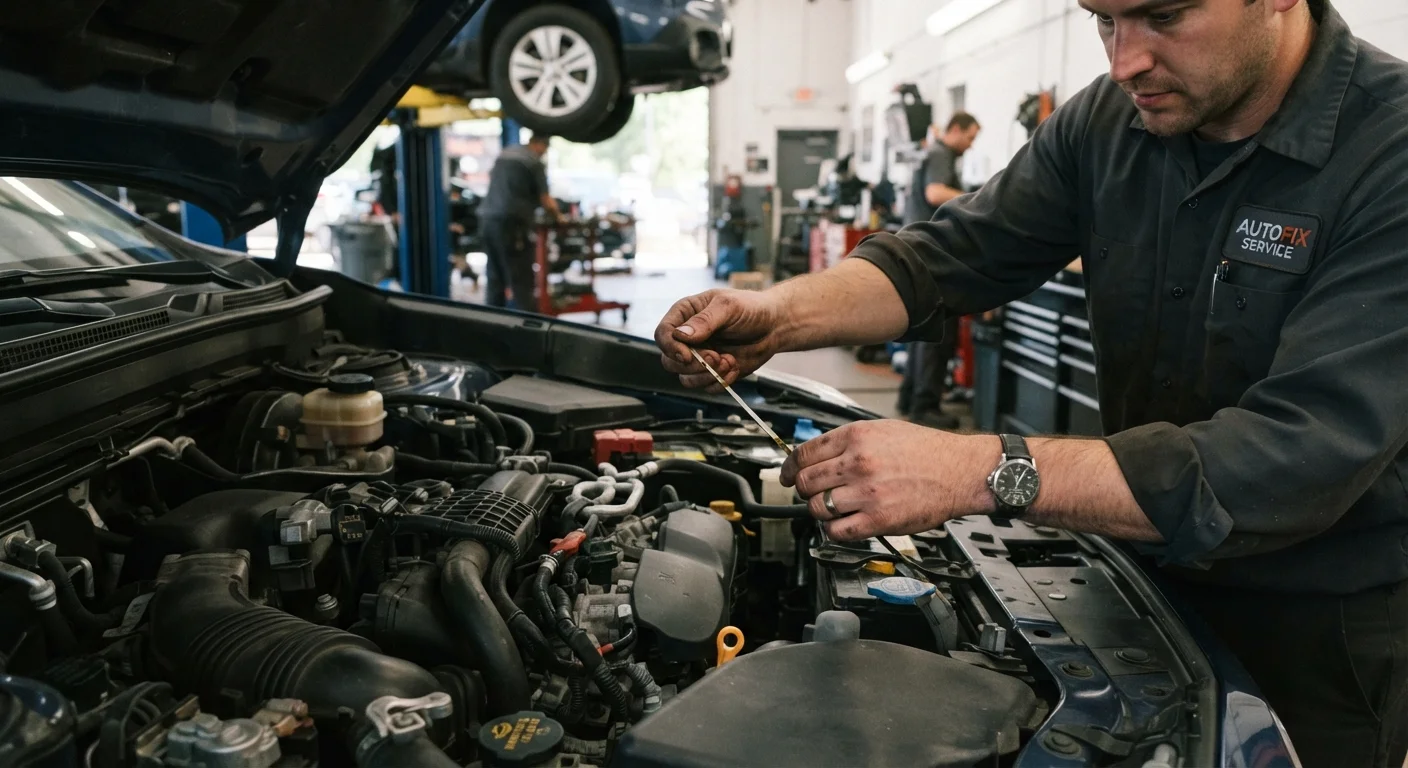
A full car service is a comprehensive maintenance inspection and set of procedures carried out by a qualified mechanic, typically once a year or every 12,000 miles. It goes beyond an interim service by covering a wider range of checks, fluid top-ups, filter replacements, and safety inspections. The goal is to catch developing problems early and keep the vehicle running safely and efficiently.
There is no legally mandated standard for what a "full service" must include in the US — service packages vary by shop, brand, and vehicle type. Always request an itemised checklist before agreeing to any service.
Why the Term 'Full Service' Can Mislead You
Walk into two different garages and ask for a full car service, and you may come out with two very different things. Unlike a regulated procedure, the term "full service" is largely defined by whichever shop you visit. This creates a real knowledge gap for drivers who assume there's a standard checklist every mechanic follows.
Understanding what service tiers actually mean — interim, full, and major — helps you ask sharper questions, avoid paying for unnecessary work, and ensure nothing critical gets missed. As a starting point, your owner's manual is the most reliable source for your vehicle's specific service intervals and fluid specifications.
No National Standard Exists for 'Full Service'
In the US, there is no federally mandated definition of what a full car service must include. The term is used commercially by garages to describe their own packages, which can vary significantly in scope. This makes comparison shopping and upfront itemisation especially important for consumers.
What a Full Service Typically Covers
While shops differ, a full car service broadly includes the following categories of work:
- Engine oil and oil filter replacement — one of the most critical maintenance items for engine longevity
- Air filter and cabin air filter check or replacement — affects engine performance and in-cabin air quality
- Brake inspection — a visual assessment of pad thickness, disc condition, and brake fluid level
- Tyre inspection — tread depth, pressure, and visual check for damage or uneven wear
- Fluid top-ups — coolant, power steering fluid, windshield washer fluid, and brake fluid
- Battery test — voltage check to identify a weakening battery before it fails
- Lights and electrical checks — headlights, indicators, brake lights, and dashboard warning lights
- Suspension and steering inspection — a visual check for wear or play in key components
These items are inspected and, where applicable, replaced or topped up. The service does not automatically include replacing brakes, tyres, wiper blades, or timing belts — these are flagged and quoted separately if attention is needed.
12,000 mi
Typical full service interval for most passenger vehicles
Most manufacturers recommend a full service at 12,000 miles or 12 months, whichever comes first — though this varies by make and model.
~30%
Of vehicle breakdowns linked to preventable maintenance neglect
Industry estimates from roadside assistance providers consistently attribute a significant proportion of callouts to issues that routine servicing could have identified.
Interim vs. Full vs. Major: Understanding the Tiers
Most service providers offer three levels of service, each suited to different mileage and usage patterns:
- Interim Service
- Designed for high-mileage drivers who need a mid-year check between full services. It covers the essentials — oil change, oil filter, and a basic safety inspection — but skips many of the deeper checks of a full service.
- Full Service
- Recommended annually or at around 12,000 miles. Covers the broader checklist described above and is the standard maintenance benchmark for most everyday drivers.
- Major Service
- Recommended every two to three years or at higher mileage thresholds. Includes everything in a full service, plus spark plug replacement, fuel filter inspection, and a more thorough drivetrain review. A timing belt assessment may also be included depending on vehicle age and mileage.
For drivers building a maintenance routine across the life of the vehicle, long-term maintenance planning offers a useful framework for knowing what to expect at each ownership stage.
What to Ask Before You Book
Because service packages aren't standardised, a few straightforward questions can save you money and prevent misunderstandings:
- Request an itemised checklist in writing before work begins — know exactly what is included in the quoted price.
- Ask what triggers additional charges — confirm whether parts like air filters or wiper blades are included or quoted separately if found worn.
- Check manufacturer intervals — your dealer or owner's manual may specify different service requirements than a generic shop package offers.
- Request a post-service report — a professional shop should provide a written summary of what was done, what was checked, and any items flagged for future attention.
Keeping your service records up to date also matters beyond maintenance. If your vehicle is still under a manufacturer or extended warranty, some coverage conditions require documented service history. It's worth understanding how warranty terms intersect with maintenance obligations before assuming your coverage is intact.
Keep a Physical or Digital Service Log
Record every service visit, including the date, mileage, work completed, and parts replaced. A documented service history is valuable when diagnosing recurring issues, maintaining warranty compliance, and — if you sell the vehicle — demonstrating responsible ownership to prospective buyers.
For broader seasonal preparation — such as cooling system health in summer or battery performance in winter — seasonal maintenance guidance complements your annual service routine with timely checks throughout the year.
This article is for general informational purposes only. Service content, pricing, and recommendations vary by vehicle, region, and provider. Always consult a qualified mechanic and your vehicle's owner's manual for guidance specific to your car.