

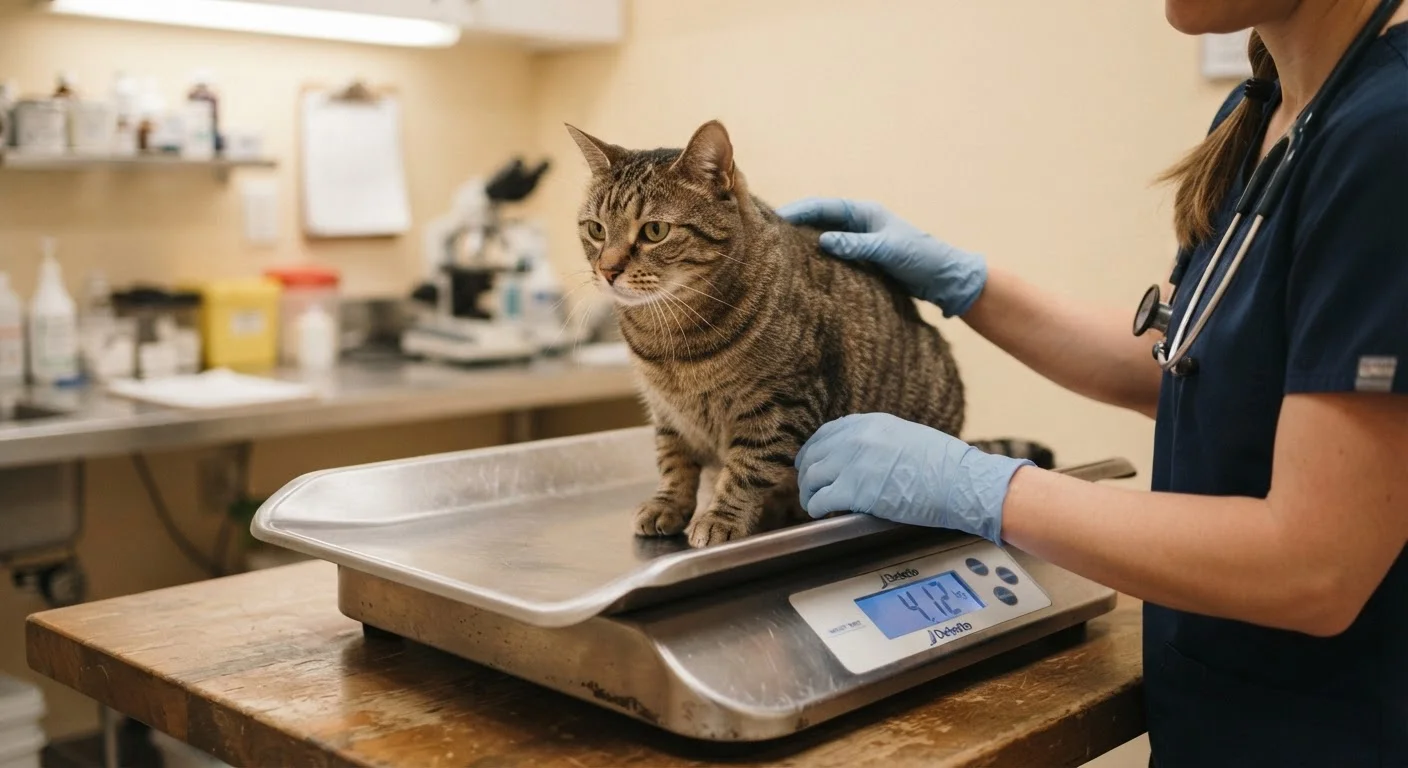
Key Takeaways
- Many owners genuinely don't notice gradual weight gain in their pets — it creeps up slowly.
- Body condition scoring (BCS) is a hands-on method vets use to assess healthy weight, not just scale numbers.
- Excess weight is linked to serious health conditions including joint disease, diabetes, and heart problems.
- Overfeeding, free-feeding, and treats are the most common contributing factors to pet obesity.
- Weight management plans should always be guided by a veterinarian, not guesswork alone.
Start here
Why Pet Obesity Is So Easy to Miss
Next
Understanding Body Condition Scoring
Then
Health Risks Linked to Excess Weight
Dig deeper
Common Causes of Weight Gain in Pets
Take action
What Vets Generally Recommend
Why Pet Obesity Is So Easy to Miss
Most pet owners who have overweight animals genuinely don't know it. That's not carelessness — it's a reflection of how gradual weight gain works. A cat who gains half a pound over six months looks essentially the same to someone seeing her every day. Fluffy coats add to the challenge, softening visual cues that might otherwise stand out. And there's an emotional layer, too: a round, sleepy pet can simply look content and well-cared-for.
Studies in veterinary medicine have consistently found that a significant proportion of companion animals in the US carry excess weight, yet owner awareness remains low. Part of this is a perception problem — what owners consider 'normal' has shifted alongside rising obesity rates in pet populations. If most dogs at the dog park look similar, an overweight dog blends in.
Understanding this gap is the first step. You don't need to feel guilty about missing it — you need practical tools to catch it. That's where body condition scoring comes in. It's also worth noting that pain from joint strain — a common consequence of excess weight — can be equally easy to overlook.
Understanding Body Condition Scoring
Body condition scoring (BCS) is the standard tool veterinarians use to assess a pet's weight relative to their frame. Unlike a scale reading, which means nothing without knowing the ideal weight for that specific animal, BCS evaluates fat coverage and muscle mass by sight and touch.
Body Condition Score (BCS)
A standardised 1–9 scale that vets use to evaluate how much body fat a pet is carrying, assessed through visual inspection and touch rather than weight alone.
Free feeding
Leaving food out for a pet to eat at any time throughout the day, rather than offering set meals at scheduled times.
Metabolic rate
The speed at which the body converts food into energy. Animals with a lower metabolic rate burn fewer calories, making weight gain more likely if food intake stays constant.
Insulin resistance
A condition where the body's cells respond poorly to insulin, making it harder to regulate blood sugar. In cats, obesity is a significant risk factor for developing this problem.
Brachycephalic breeds
Dogs and cats with shortened skull shapes and flattened faces — such as Bulldogs, Pugs, and Persian cats — that can experience breathing difficulties, which worsen with excess weight.
The most widely used scale runs from 1 to 9:
- 1–3: Underweight — ribs, spine, and hip bones visibly prominent with little muscle coverage
- 4–5: Ideal — ribs easily felt with slight fat covering; visible waist when viewed from above
- 6–7: Overweight — ribs harder to feel; waist barely visible or absent
- 8–9: Obese — heavy fat deposits; no waist; possible fat pads on neck or limbs
You can perform a basic check at home: place both hands on your pet's ribcage and press gently. If you can feel individual ribs without significant pressure, that's a positive sign. Then look down from above — a healthy dog or cat typically shows a slight inward curve behind the ribs. No curve, or a barrel-like shape, suggests excess weight. Your vet can score your pet accurately and show you what to look for at home.
Health Risks Linked to Excess Weight
Excess body weight in pets is not simply a cosmetic concern. It's a genuine health issue associated with a range of serious conditions that affect quality and length of life.
Do Not Restrict Food Without Vet Guidance
Rapidly cutting a pet's food intake without professional guidance can be dangerous, particularly for cats. A condition called hepatic lipidosis — fatty liver disease — can develop in cats who lose weight too quickly. Always work with your vet to set a gradual, safe calorie reduction plan.
- Osteoarthritis and joint disease: Extra mass places ongoing mechanical stress on joints. This is particularly significant in dogs, where weight-related joint deterioration is a leading cause of chronic pain.
- Type 2 diabetes: Obesity is a major risk factor for feline diabetes. Overweight cats can develop insulin resistance in ways that closely mirror human type 2 diabetes.
- Respiratory and heart strain: Fat deposits around the chest restrict breathing and increase cardiac workload, particularly in brachycephalic breeds (those with flattened faces).
- Reduced immune function and increased surgical risk: Overweight animals have higher complication rates during anaesthesia and surgery, and may mount weaker immune responses.
The good news is that weight loss — even modest amounts — often produces meaningful improvements in mobility and comfort. This is especially relevant for senior pets, whose joints and organ systems are already under greater age-related pressure.
This article is for general informational purposes and does not constitute veterinary advice. Always consult a qualified veterinarian regarding your pet's specific health needs.
Common Causes of Weight Gain in Pets
Weight gain in pets almost always comes down to energy imbalance — more calories consumed than expended — but the reasons that imbalance develops are worth understanding.
Overfeeding and portion estimation: Feeding guidelines on pet food packaging are often general ranges rather than precise prescriptions. Research into human nutrition shows that people routinely underestimate portion sizes — the same tendency applies when scooping kibble. See our guide to how portion estimates go wrong for a broader look at this problem.
Free feeding: Leaving food available all day allows some pets — particularly cats — to graze continually beyond their caloric needs.
Treats and table scraps: Many owners don't account for treat calories in their pet's daily intake. High-calorie treats given several times a day add up quickly.
Neutering and age: Spayed and neutered animals generally have lower metabolic rates. As pets age, activity levels also naturally decline, meaning caloric needs decrease even if feeding habits stay the same.
Track Treats as Part of Daily Calories
Before adding treats to your pet's routine, check the caloric content on the packaging and factor it into their total daily intake. Many vets suggest treats should make up no more than 10% of a pet's daily calories. Switching to lower-calorie options like small pieces of carrot or plain cooked chicken can help you reward without overfeeding.
Breed and genetics: Some breeds are genetically predisposed to efficient fat storage and stronger food-seeking behaviour, making weight management an ongoing rather than one-time challenge.
What Vets Generally Recommend
If you suspect your pet may be carrying extra weight, the right first move is a veterinary appointment. A vet can establish a BCS score, rule out underlying medical causes (such as hypothyroidism in dogs), and help you set a realistic, safe weight target.
General approaches your vet may discuss include:
- Measured feeding: Using a kitchen scale or measuring cup rather than estimating helps eliminate the most common source of caloric drift.
- Diet food: Veterinary weight-management diets are formulated to reduce calories while maintaining adequate nutrition. Switching food type without guidance can create nutritional gaps.
- Structured exercise: More movement helps — but the type and intensity should match your pet's current fitness and any health conditions present.
- Regular weigh-ins: Monthly or bi-monthly weigh-ins track progress and allow adjustments. Many vet clinics offer nurse-led weight clinics for this purpose.
Weight management is part of the broader picture of responsible pet ownership. For a structured overview of year-round health monitoring, the annual pet health checklist is a useful companion resource. And if you're thinking about the long-term financial side of keeping a pet healthy, the real costs of pet ownership gives a clear breakdown of what to expect.