

Key Takeaways
- Save receipts, order confirmations, and warranty documents for every significant purchase.
- Photograph items before and after delivery to create timestamped evidence of condition.
- Keeping records digitally reduces the risk of loss and makes retrieval faster during disputes.
- Documentation supports chargebacks, return claims, and warranty enforcement equally.
- A consistent filing habit costs minutes but can save hours — or hundreds of dollars — later.
Why Documentation Is Your First Line of Defense
Most consumer disputes don't fail because the shopper was wrong — they fail because the shopper couldn't prove they were right. A retailer that denies a return, a shipper that loses a package, or a seller that disputes a defect will almost always ask for documentation. Without it, your claim is your word against theirs.
The good news is that building a record-keeping habit doesn't require elaborate systems. A handful of consistent behaviors — applied at the moment of purchase and delivery — creates a paper trail that protects you across returns, warranty claims, card payment disputes, and beyond. Understanding your consumer rights is more powerful when you have the evidence to back them up.
Building Your Documentation Routine
The moment of purchase is the easiest time to capture the information you'll need later — and the moment most people skip. These practices are worth making automatic.
For larger purchases especially, documentation should extend through delivery and the first use of the product. Damaged-goods claims most often fail due to missing visual evidence or delayed reporting — both of which a simple photo habit prevents.
Organizing What You Collect
Gathering records is only half the job. If you can't locate them under pressure — during a time-limited return window or a chargeback deadline — they won't help you. A lightweight organizational system makes retrieval fast.
40%
Consumers who can't locate receipts during a dispute
According to consumer advocacy research, roughly 40% of shoppers who attempt a return or dispute report difficulty finding the original proof of purchase.
60 days
Typical chargeback filing window
Many card networks allow cardholders approximately 60 days from the statement date to file a dispute — making timely record retention critical.
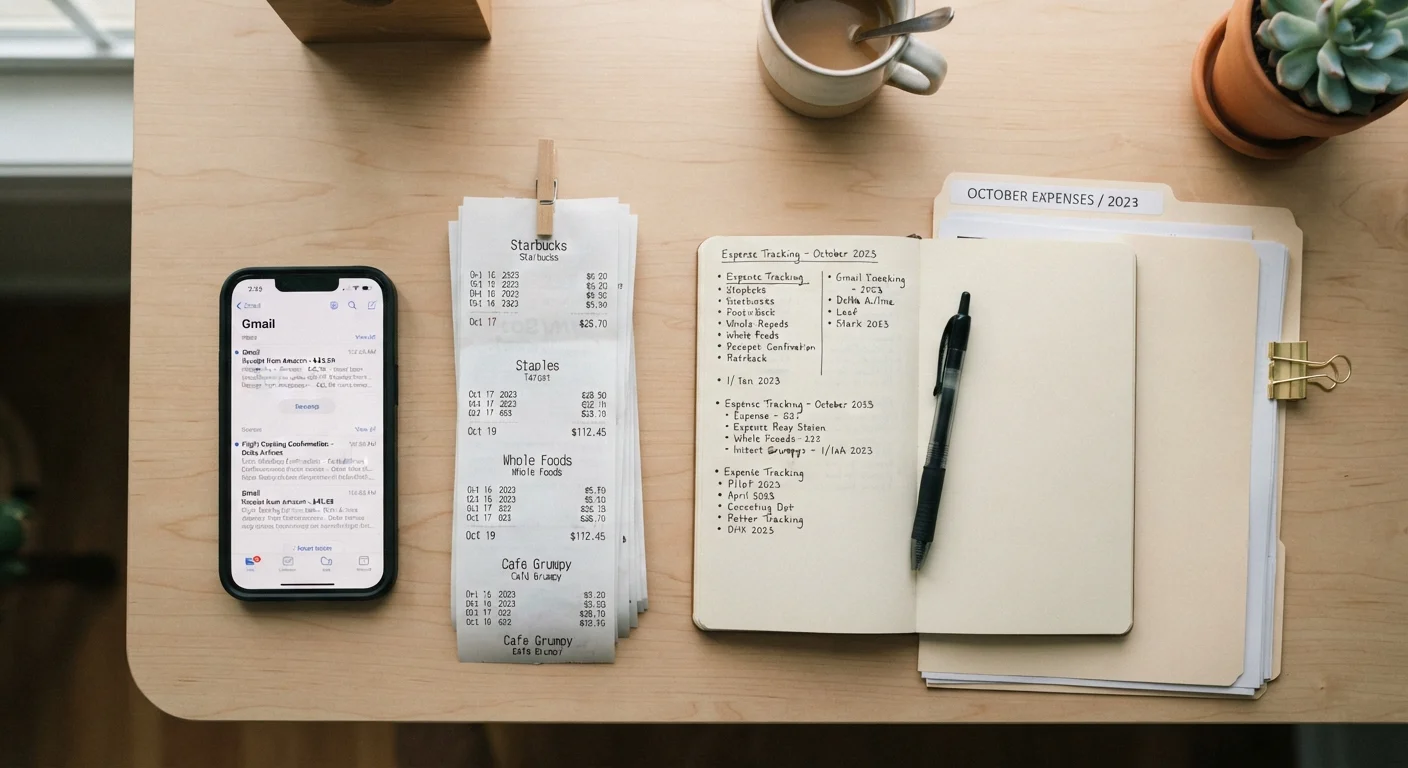
A practical approach: create a single folder in your email labeled "Purchases" and filter order confirmations there automatically. For physical receipts, a monthly envelope or a scanning app converts paper to searchable PDF in seconds. If you track spending regularly, pairing records with your spending log keeps everything in one place — see practical spending tracking methods for approaches that fit real daily life.
For product returns, having your receipt, original packaging photos, and the seller's stated return policy in one folder means you're ready to act the moment something goes wrong — rather than scrambling to reconstruct a timeline. These habits also connect naturally to broader budgeting practices since purchase records double as spending data.
This article is for general informational purposes only and does not constitute legal or financial advice. For specific disputes or legal concerns, consult a qualified professional or your state's consumer protection office.