

Key Takeaways
- Federal and state laws give US consumers enforceable protections from pre-purchase through post-sale disputes.
- Warranties come in two forms — express and implied — and both can apply even when a retailer says otherwise.
- Documenting every transaction significantly strengthens your position in a dispute or complaint.
- The FTC, CFPB, and state attorneys general are your main federal and state escalation points.
- Small claims court is a practical, low-cost avenue for unresolved consumer disputes under a set dollar threshold.
- Understanding your rights before trouble arises is the most effective consumer protection strategy.
Why Consumer Rights Matter at Every Stage
Most people think of consumer rights as something you invoke only when a product breaks or a charge appears on a statement you don't recognize. In reality, consumer protections exist at every point in the buying journey — from the moment a seller makes a claim about a product to the final resolution of a dispute months later.
The US consumer protection framework draws on federal laws like the Magnuson-Moss Warranty Act and the Federal Trade Commission Act, layered on top of state-level statutes that can extend protections further. Together they set baseline standards for truthful advertising, fair contract terms, and seller accountability.
For a plain-language breakdown of the full scope of shopper protections, see Your Consumer Rights, Explained. And for precise legal terminology, the Consumer Protection Laws Reference Glossary defines key terms like implied warranty and cooling-off period in clear language.
~$8.8B
Consumer fraud losses reported in a single year
According to the FTC's Consumer Sentinel Network Data Book, US consumers reported losing over $8.8 billion to fraud in 2022.
3 days
Cooling-off period for qualifying off-premises sales
The FTC's Cooling-Off Rule gives buyers three business days to cancel purchases of $25 or more made at their home or outside a seller's usual place of business.
30 days
Default shipping window for online orders
Under the FTC's Mail, Internet, or Telephone Order Rule, sellers must ship within 30 days if no delivery timeframe is stated at purchase.
Your Rights Before and During Purchase
Consumer protection begins before you hand over a dollar. The FTC's rules on advertising require that marketing claims be truthful, substantiated, and non-deceptive. If a product is described as doing something it cannot do, that representation may be legally actionable — not just frustrating.
During the transaction itself, you have the right to:
- Receive an itemized receipt or confirmation of purchase
- Be informed of all mandatory fees before completing the transaction
- Decline add-on services or extended warranties without penalty on the core purchase
- A cooling-off period of three business days for certain door-to-door or off-premises sales, under FTC rules
Online purchases carry additional protections. The FTC's Mail, Internet, or Telephone Order Rule requires sellers to ship within the timeframe they promise — or within 30 days if none is stated — and to offer a full refund if they cannot.
Screenshot the product listing page — including the price and description — at the time of purchase, not just the order confirmation. If the item arrives differently than described, that screenshot is your strongest evidence.
Product listings can be edited after sale, making original representations hard to prove without a contemporaneous record.
When escalating a complaint, send correspondence in writing — email at minimum — and request a written response. Verbal assurances rarely carry weight in a formal dispute.
Written records create a paper trail that is essential if a complaint progresses to a chargeback, agency filing, or small claims proceeding.
Warranties, Returns, and Refund Protections
Warranties are among the most misunderstood elements of consumer protection. There are two primary types:
- Express warranty
- A written or verbal promise made by the seller or manufacturer about a product's quality or performance. This includes statements on packaging, in ads, or made by sales staff.
- Implied warranty of merchantability
- A default legal guarantee — recognized in most US states — that a product will work for its ordinary intended purpose, even if no written warranty exists.
Retailers cannot simply post a "no returns" sign and extinguish implied warranty rights in most states. State laws vary, however, so it's worth understanding the rules where you shop.
Return policies are largely set by retailers rather than federal law. That said, a policy must be clearly disclosed before purchase; a retailer cannot impose a no-return rule after the fact. If a product is materially different from how it was described, consumer fraud statutes in most states give you recourse regardless of stated policy.
Check Your State's Implied Warranty Rules
A handful of states — including Arkansas, Maine, and Massachusetts — prohibit sellers from disclaiming implied warranties in consumer transactions. If you're in one of these states, a "sold as-is" label may not fully extinguish your rights. Check your state attorney general's consumer protection page for specifics.
When Things Go Wrong: Filing Complaints
When a resolution with the seller stalls, escalating to the right agency makes a practical difference. Key channels include:
- Federal Trade Commission (FTC): ReportFraud.ftc.gov handles deceptive practices, misleading advertising, and scams. The FTC uses reports to identify patterns, so filing matters even if individual resolution isn't guaranteed.
- Consumer Financial Protection Bureau (CFPB): For financial products — credit cards, loans, debt collection — the CFPB's complaint portal often results in a direct response from the company.
- State Attorney General: Most states have consumer protection divisions. State-level complaints frequently trigger faster remediation than federal ones for local or regional businesses.
- Better Business Bureau (BBB): Not a government body, but many businesses respond to BBB complaints to protect their rating.
Situations Where Consumer Law Is on Your Side walks through specific scenarios — like receiving the wrong item or being charged twice — where these escalation paths apply most directly.
Keep All Evidence Before Filing a Complaint
Before contacting any agency, gather every relevant document: order confirmations, product photos, written communications with the seller, and payment records. Agencies and card issuers require evidence to act — filing without documentation significantly reduces your chances of a favorable outcome.
Dispute Resolution and Legal Remedies
If complaints don't produce results, formal dispute resolution options exist that don't require hiring an attorney.
Chargebacks: If you paid by credit card, you can dispute a charge with your card issuer under the Fair Credit Billing Act. Qualifying disputes include goods not received, items significantly not as described, and unauthorized charges. Your issuer investigates and can reverse the charge pending a ruling.
Small claims court: Every US state has a small claims process designed for individuals. Dollar limits range from roughly $2,500 to $25,000 depending on the state. Filing fees are generally low, no attorney is required, and hearings are straightforward. This is a realistic avenue for unresolved disputes over defective goods or unfulfilled service contracts.
Arbitration clauses: Many retailer agreements include mandatory arbitration clauses that limit access to class actions. Review terms of service before major purchases if this is a concern — some states restrict enforceability of these clauses in consumer contracts.
Arbitration Clauses Vary in Enforceability
Courts have increasingly scrutinized mandatory arbitration clauses in consumer contracts, and some states limit their application. If you're facing a significant unresolved dispute, a consumer law attorney can advise whether an arbitration clause in your purchase agreement is enforceable in your state.
Building Habits That Protect You Long-Term
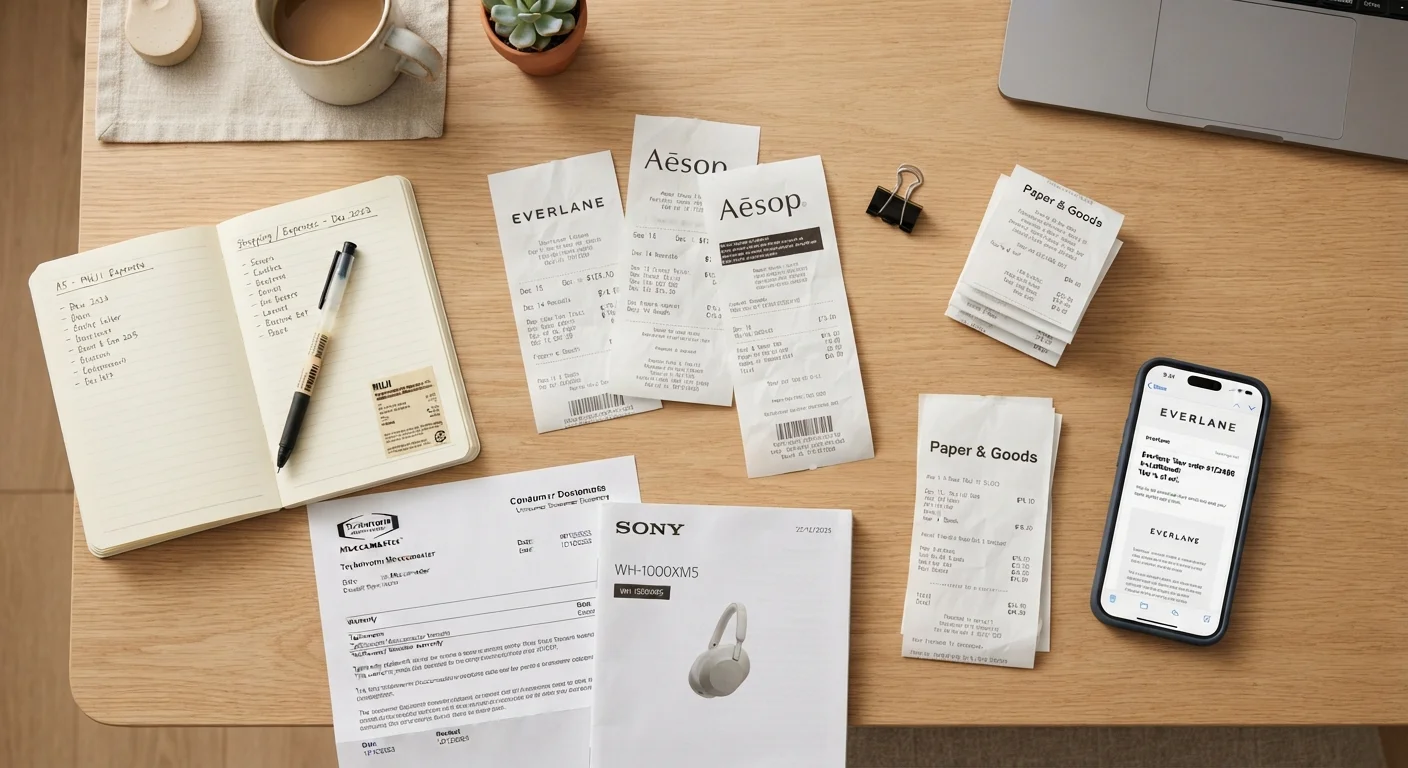
The strongest consumer position is one built before a problem arises. Practical documentation habits — saving receipts, screenshots of product listings, and email confirmations — regularly determine the outcome of disputes.
Keeping Records as a Consumer offers specific guidance on which documents to keep and for how long. Alongside record-keeping, understanding deal structures and pricing transparency helps you recognize when terms shift unexpectedly — the Deal & Value Savvy hub is a useful resource for this.
Consumer rights are not passive entitlements — they require a baseline of awareness and documentation to be effectively exercised. The framework is there; knowing how to use it is what turns a frustrating situation into a resolved one.
This article is for general informational purposes only and does not constitute legal advice. Consumer protection laws vary by state and circumstance. Consult a qualified consumer law attorney or contact your state attorney general's office for guidance specific to your situation.
FTC ReportFraud Portal
The Federal Trade Commission's official fraud and deceptive practice reporting tool. Reports contribute to enforcement actions and investigations.
CFPB Complaint Database
Submit and track complaints about financial products and services. Companies are typically required to respond within 15 days.
State Attorney General Consumer Protection Finder
The National Association of Attorneys General maintains a directory to help consumers locate their state's consumer protection office.
Consumer Protection Laws Reference Glossary
Defines the key legal terms — implied warranty, cooling-off period, unfair and deceptive acts — that underpin US consumer law.