
Natural Fibres vs Synthetic Fabrics: What the Difference Means for Everyday Wear

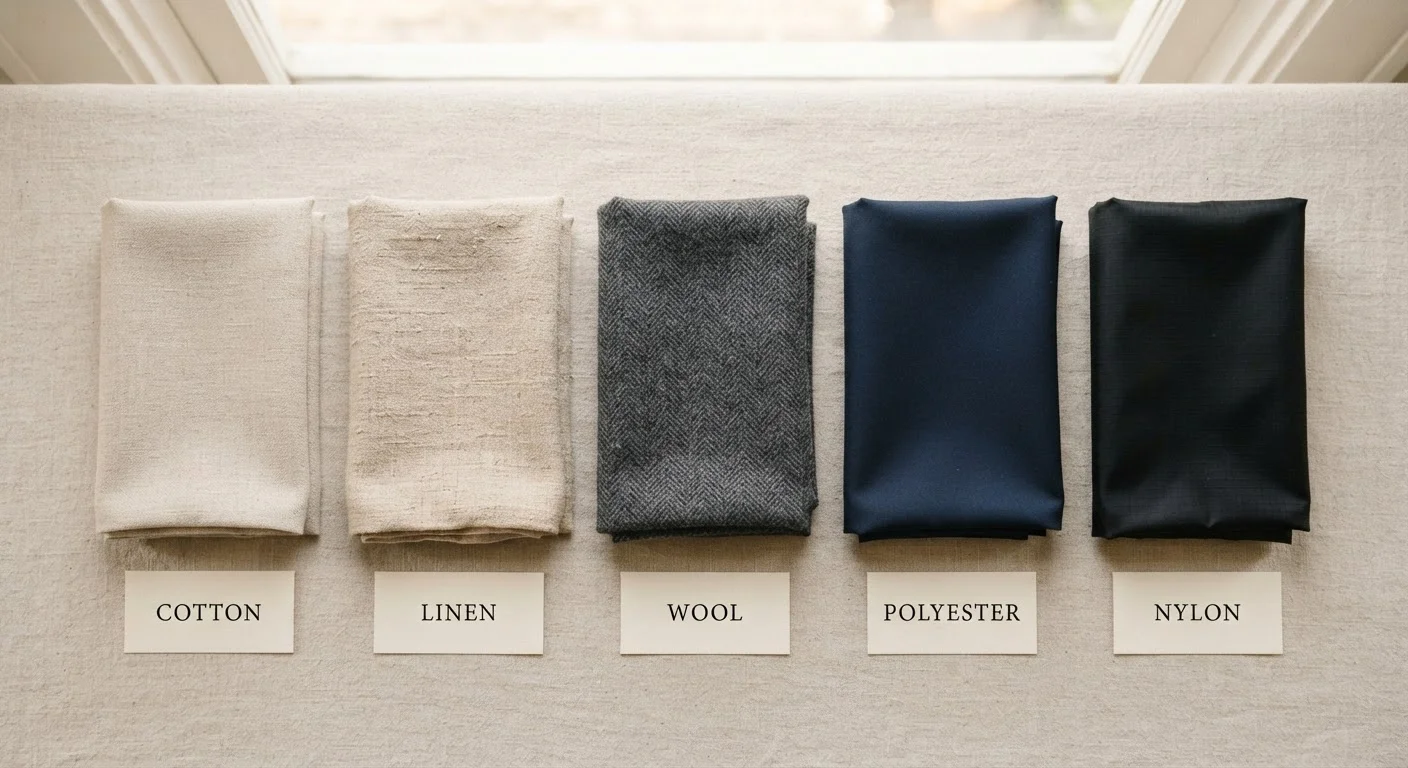
Key Takeaways
- Natural fibres like cotton, wool, and linen breathe well and are generally gentler on sensitive skin.
- Synthetic fabrics such as polyester and nylon tend to be more durable, wrinkle-resistant, and moisture-wicking.
- Natural fibres usually require more careful laundering; synthetics are typically machine-wash friendly.
- Synthetics are derived from petroleum and are generally slower to biodegrade than natural alternatives.
- Blended fabrics combine both types to balance comfort, performance, and cost.
- Your lifestyle and how you care for clothes should guide which fabric works best for each garment.
Option A
Natural Fibres
The time-tested, breathable choice rooted in nature.
Best for: Everyday comfort, temperature regulation, and those who prioritise breathability and biodegradability.
Option B
Synthetic Fabrics
The engineered, performance-driven modern alternative.
Best for: Active wear, moisture-wicking performance, wrinkle resistance, and budget-conscious wardrobes.
If you run warm or have sensitive skin
Natural Fibres
Cotton and linen allow air circulation and absorb moisture against the skin, reducing irritation for many people.
If you need low-maintenance, travel-friendly clothing
Synthetic Fabrics
Polyester and nylon resist wrinkles, dry quickly, and hold their shape through frequent washing and packing.
If sustainability is a priority in your wardrobe choices
Natural Fibres
Natural fibres are renewable and biodegradable, though the full environmental picture depends on farming and processing practices.
If you're building an activewear or performance wardrobe
Synthetic Fabrics
Moisture-wicking synthetics like nylon and spandex blends are specifically engineered for movement, sweat management, and stretch.
If you want versatility across both comfort and durability
Natural Fibres
Natural-synthetic blends offer a practical middle ground, but when choosing a single category, natural fibres adapt to the widest range of everyday contexts.
What Makes a Fibre Natural or Synthetic?
The distinction starts at the source. Natural fibres come from plants or animals — cotton from the cotton plant's seed pods, linen from the flax plant's stem, wool from sheep fleece, and silk from silkworm cocoons. Synthetic fabrics, by contrast, are manufactured from chemical compounds, most commonly derived from petrochemicals. Polyester, nylon, acrylic, and spandex all fall into this category.
A third category worth knowing is semi-synthetic or regenerated fibres — materials like viscose (rayon) and modal, which start with natural cellulose (usually wood pulp) but are heavily processed chemically. These sit somewhere between the two camps and require their own assessment.
Understanding what's in your garment is easier than it used to be. In the US, the Textile Fiber Products Identification Act requires clothing labels to disclose fibre content by percentage, so checking a care tag gives you reliable information. This foundation matters when evaluating how a garment will feel, last, and wash — topics covered in the sections below. For a broader look at how construction affects quality, see how to read physical quality signals.
Comfort, Breathability, and Skin Feel
Natural fibres have a long-standing reputation for comfort, and there's good reason for it. Cotton absorbs moisture and allows airflow, making it well-suited to warm climates and everyday wear. Linen is even more breathable, though it creases readily. Wool is an effective temperature regulator — it traps warm air in cold conditions and wicks moisture when you're active. These properties are structural, built into the fibre itself rather than added by finishing chemicals.
Synthetic fabrics feel quite different against the skin. Polyester, the most widely used synthetic globally, does not absorb moisture the way cotton does — instead, moisture-wicking finishes are engineered to move sweat away from the body. This works well during exercise but can feel less comfortable during extended sedentary wear. Some people with sensitive skin find certain synthetics irritating, though this varies significantly by individual and fabric construction.
| Criterion | Natural Fibres | Synthetic Fabrics |
|---|---|---|
| Source | Plants or animals | Petrochemicals |
| Breathability | Generally high | Low to moderate |
| Moisture management | Absorbs moisture | Wicks moisture (with finishing) |
| Durability | Moderate with proper care | High; resists abrasion |
| Wrinkle resistance | Low to moderate | High |
| Care requirements | Often more delicate | Machine-wash friendly |
| Biodegradability | Yes (under right conditions) | Limited; slow breakdown |
| Typical cost | Varies; often higher | Often lower |
Blended fabrics — say, a 65% polyester / 35% cotton shirt — attempt to balance these traits. The blend typically adds wrinkle resistance and durability while keeping some of cotton's softness, but reduces breathability compared to a 100% cotton equivalent.
Durability, Care, and Longevity
Synthetic fabrics generally outperform natural fibres in raw durability. Nylon is exceptionally resistant to abrasion; polyester holds colour well and resists shrinkage. These properties make synthetics a common choice for outerwear, activewear, and workwear that faces heavy use.
Natural fibres tend to require more deliberate care. Cotton can shrink if machine-washed at high temperatures. Wool is vulnerable to heat and agitation — most wool garments benefit from cold or hand washing and flat drying. Linen wrinkles easily but becomes softer with repeated washing over time. Silk requires the most careful handling of all common natural fibres.
~52%
Share of global fibre production that is synthetic
According to Textile Exchange's Preferred Fiber & Materials Market Report, synthetic fibres — led by polyester — account for roughly half of all fibre produced globally.
~10,000 L
Water needed to produce 1 kg of conventional cotton
The World Wildlife Fund has cited estimates in this range, reflecting the significant water footprint associated with conventional cotton cultivation.
That said, natural fibres can last for decades when cared for correctly. A well-maintained wool coat or linen shirt often outlasts cheaper synthetic alternatives in wearable condition. The care label is the most reliable guide — following it consistently extends garment life significantly regardless of fibre type.
Thinking about how fabric type fits into a broader approach to dressing? Balancing personal style with occasion expectations is a related consideration worth exploring.
Environmental Considerations
Neither category is without environmental trade-offs, and it's worth being clear-eyed about this rather than assuming natural always means sustainable.
Natural fibres are renewable and biodegradable under the right conditions. However, conventional cotton farming is water-intensive and typically involves significant pesticide use. Wool and silk production have their own resource and animal welfare considerations. Organic and responsibly sourced certifications exist for these fibres, though they carry a price premium and vary in rigour.
The Microplastics Question
Studies have found that synthetic textiles can shed microplastic fibres during washing, which may pass through wastewater treatment systems and enter freshwater and marine environments. The long-term ecological effects are an active area of scientific research. Washing bags designed to capture shed fibres are available, though evidence on their effectiveness varies. This is a legitimate consideration when evaluating synthetic fabrics, even if the complete picture is not yet settled.
Synthetic fabrics are derived from non-renewable petroleum resources and do not biodegrade readily in landfill conditions. There is also growing concern about microplastic shedding — tiny plastic particles released during laundering that enter waterways. Research in this area is ongoing, and the full ecological picture is still being understood.
Recycled synthetics (such as polyester made from reclaimed plastic bottles) represent an evolving middle ground, reducing virgin resource use while maintaining the performance properties of synthetic fibres. Understanding fabric composition is one of several tools for more considered shopping — alongside the practical distinctions between dress codes that shape everyday wardrobe decisions.