

Key Takeaways
- Defensive driving means anticipating hazards, not just reacting to them when they appear.
- Maintaining a safe following distance is one of the most consistently effective defensive habits.
- Scanning the road ahead — not just immediately in front — gives you more time to respond.
- Driver distraction undermines defensive driving even when physical conditions are ideal.
- Vehicle condition directly affects your ability to execute defensive maneuvers safely.
Defensive Driving
Defensive driving is a set of skills and mental habits that help drivers anticipate potential hazards and respond to them before they escalate into emergencies. It goes beyond following traffic laws — it means actively managing risk by accounting for the behavior of other drivers, road conditions, and environmental factors. The goal is to reduce the likelihood of a collision by staying prepared, not just reactive.
Defensive driving draws on concepts from risk management, specifically hazard perception and systems thinking, which treat the road as a dynamic environment with multiple unpredictable variables operating simultaneously.
More Than Staying Alert
Ask most drivers what defensive driving means and they'll say something like "paying attention" or "not speeding." Those aren't wrong — but they're incomplete. Defensive driving is a structured approach to managing the unpredictability of the road, one that treats every trip as a system of evolving risks rather than a routine task.
The core idea is proactive risk management. A defensive driver isn't waiting for a problem to appear and then reacting; they're continuously reading conditions — traffic flow, road surface, weather, the behavior of drivers nearby — and adjusting position, speed, and attention accordingly. This distinction between reactive and proactive is what separates adequate drivers from genuinely safe ones.
For a broader look at how this mindset applies across different road types, see our complete safe driving guide.
94%
Crashes involving human choice or error
According to the National Highway Traffic Safety Administration (NHTSA), approximately 94% of serious crashes involve a critical human factor such as recognition error, decision error, or impairment.
3 sec
Minimum recommended following distance
Traffic safety organizations including the National Safety Council recommend a minimum three-second following distance under normal driving conditions, extended in poor weather.
The Core Principles in Practice
Defensive driving isn't a single technique — it's a cluster of habits that reinforce each other. Understanding each one separately makes them easier to build into daily driving.
Following Distance
The three-second rule — maintaining at least three seconds of following distance from the vehicle ahead — gives you time to brake without swerving if traffic stops suddenly. In poor weather or at highway speeds, extend that to four or five seconds. Tailgating removes your reaction buffer entirely.
Forward Scanning
Most drivers focus on the vehicle directly in front of them. Defensive drivers scan 12–15 seconds ahead, which at 60 mph equates to roughly a quarter mile. That lead time is what allows gradual, controlled responses instead of panic braking. How experienced drivers read the road ahead explores the specific scanning techniques behind this habit.
Speed Management
Posted speed limits reflect ideal conditions. Wet roads, heavy traffic, reduced visibility, and construction zones all call for speeds below the limit. Defensive drivers treat speed as a variable to be calibrated, not a ceiling to approach.
Escape Route Awareness
A defensive driver always knows where they could steer if the vehicle ahead stopped without warning. This means avoiding extended time in other drivers' blind spots, keeping space to the sides when possible, and not boxing yourself in between large vehicles.
The Threat You're Not Accounting For
Most drivers overestimate how much they can safely multitask behind the wheel. Cognitive distraction — the mental load of a conversation, a navigation decision, or a stressful thought — reduces hazard detection even when your eyes are on the road. This is distinct from visual distraction (looking away) or manual distraction (hands off the wheel), but all three compromise your defensive driving capability.
The practical implication: a defensive mindset isn't just about external road conditions. It includes managing your own mental state and minimizing in-car distractions before they erode your awareness. See what distracted driving actually looks like for a fuller breakdown of how distraction operates.
Practice the Commentary Driving Technique
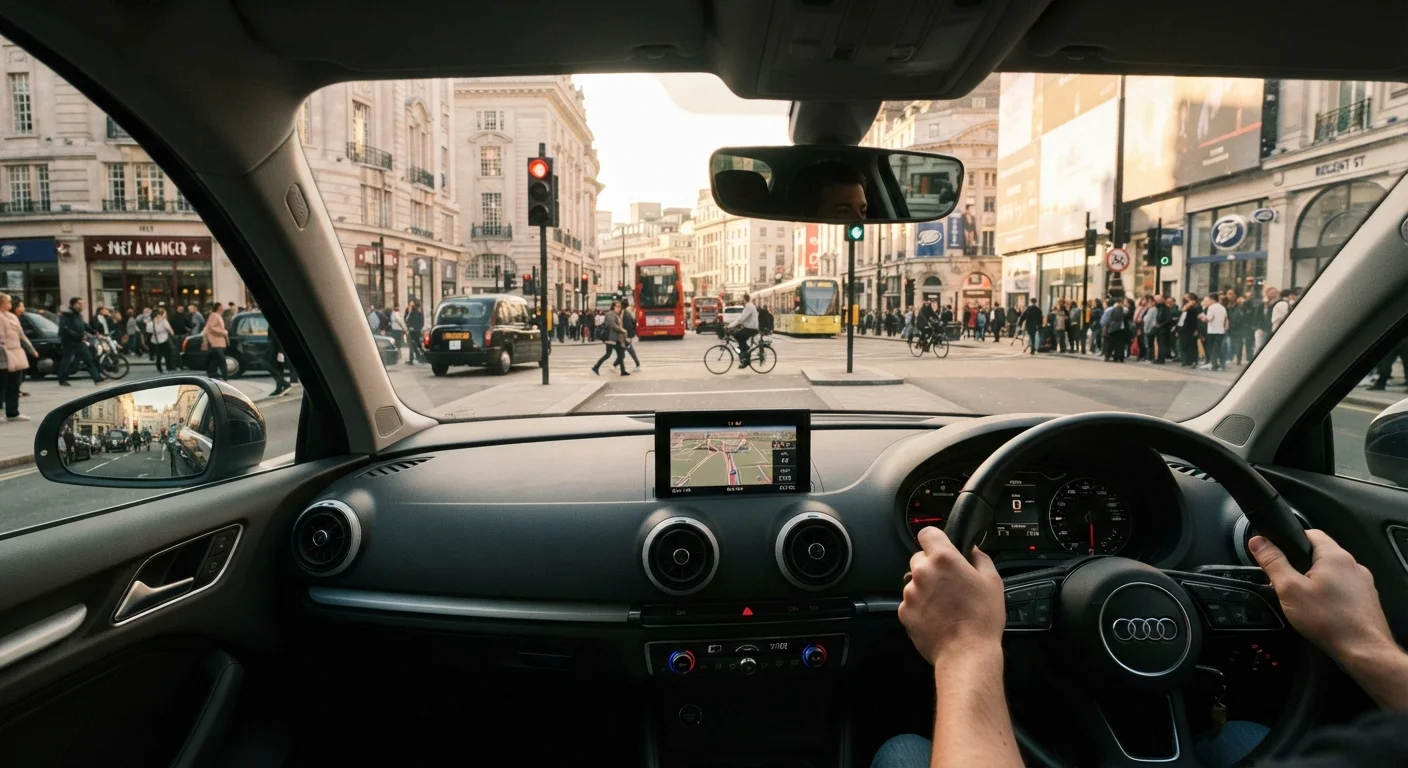
One method used in professional driver training is commentary driving — narrating aloud what you observe as you drive ("pedestrian at the curb, car merging left, light turning yellow"). This habit forces active scanning and sharpens your hazard-detection instinct over time. Even a few minutes of practice on familiar routes can build stronger awareness habits.
Vehicle Condition as a Safety Factor
Defensive driving assumes your vehicle can execute the maneuvers you plan. Worn tires, compromised brakes, or faulty lights directly limit your ability to respond to hazards — no matter how sharp your attention is. A car with degraded stopping distance requires more following distance; a vehicle with a tire approaching the wear indicator has reduced grip in wet conditions.
Keeping up with routine maintenance isn't just about reliability — it's a prerequisite for defensive driving to work. If your dashboard has an unresolved warning light, address it before it affects your safety margins. Our guide on what your car's warning lights are actually telling you can help you prioritize what needs attention.
For new drivers working to integrate these habits from the start, building confidence in real traffic provides a structured foundation.
Defensive Driving and Insurance
Completing a recognized defensive driving course may make you eligible for a discount from some auto insurers, though eligibility, course requirements, and discount amounts vary by provider and state. This is general information — consult a licensed insurance agent about options applicable to your specific coverage and location. For broader context, see our overview of auto insurance.