

| Total essential vitamins | 13 recognized vitamins (National Institutes of Health, Office of Dietary Supplements) |
| Essential minerals (macro + trace) | 16+ recognized minerals (National Academies of Sciences, Engineering, and Medicine) |
| Most common deficiency globally | Iron deficiency (World Health Organization) |
| Vitamin D deficiency prevalence (US adults) | Estimated 1 in 4 adults (CDC National Health and Nutrition Examination Survey data) |
| B12 absorption risk group | Adults over 50 and strict vegans (National Institutes of Health, Office of Dietary Supplements) |
| Folate requirement — pregnancy | Increased need before and during early pregnancy (CDC folic acid recommendations) |
What Are Micronutrients — and Why Do They Matter?
Micronutrients are vitamins and minerals your body needs in relatively small amounts — but their impact on health is anything but small. They regulate hundreds of biochemical processes: converting food into energy, building bone, supporting immune defenses, and enabling nerve signals. Unlike macronutrients like protein, carbohydrates, and fats, micronutrients don't supply calories, but without them, the body cannot use those calories effectively.
Vitamins are organic compounds — they can be broken down by heat, light, or air. Minerals are inorganic elements that retain their chemical structure. Both categories are further divided: vitamins split into fat-soluble (A, D, E, K — stored in body fat and the liver) and water-soluble (C and the B vitamins — excreted more readily and requiring regular replenishment). Understanding this difference helps explain why deficiencies and toxicities develop differently across nutrient types.
Fat-soluble vitamins
Vitamins A, D, E, and K, which dissolve in fat and are stored in the body's fatty tissue and liver. Because they accumulate, excess intake over time carries a greater risk of toxicity compared to water-soluble vitamins.
Water-soluble vitamins
Vitamins C and the B-complex group, which dissolve in water and are not stored in the body in large quantities. Excess amounts are generally excreted in urine, so regular dietary intake is important.
Macrominerals
Minerals the body requires in relatively larger quantities, including calcium, magnesium, potassium, sodium, and phosphorus. They support structural functions like bone formation and regulatory functions like fluid balance.
Trace minerals
Minerals needed in very small amounts but still essential for health, including iron, zinc, selenium, iodine, and copper. Despite their small required quantities, deficiencies can have significant health consequences.
Recommended Dietary Allowance (RDA)
The average daily intake level sufficient to meet the nutrient requirements of nearly all healthy individuals in a particular life stage and sex group, as established by the National Academies of Sciences, Engineering, and Medicine.
Bioavailability
The proportion of a nutrient that the body actually absorbs and uses from food or a supplement. Factors such as food preparation method, gut health, and the presence of other nutrients can all affect bioavailability.
Key Vitamins: Roles, Sources, and Deficiency Signs
The table below summarizes the most clinically recognized vitamins. Note that signs associated with deficiency are general and can overlap with many conditions — a healthcare provider should assess any suspected nutritional gap.
| Vitamin | Primary Role(s) | Common Food Sources | Signs Often Associated with Deficiency |
|---|---|---|---|
| A (fat-soluble) | Vision, immune function, cell growth | Liver, dairy, eggs; beta-carotene in orange/yellow vegetables | Night blindness, dry skin |
| D (fat-soluble) | Calcium absorption, bone health, immune modulation | Fatty fish, fortified milk, sunlight exposure | Bone pain, muscle weakness, fatigue |
| E (fat-soluble) | Antioxidant, immune support | Nuts, seeds, vegetable oils, leafy greens | Rare; nerve and muscle problems in severe cases |
| K (fat-soluble) | Blood clotting, bone metabolism | Kale, spinach, broccoli, fermented foods | Easy bruising, slow wound healing |
| C (water-soluble) | Collagen synthesis, antioxidant, iron absorption | Citrus, strawberries, bell peppers, broccoli | Fatigue, gum problems, slow healing (severe deficiency: scurvy) |
| B1 (Thiamine) | Energy metabolism, nerve function | Whole grains, legumes, pork | Fatigue, nerve tingling |
| B12 (water-soluble) | Nerve health, red blood cell formation, DNA synthesis | Meat, fish, dairy, eggs; fortified plant foods | Fatigue, numbness, cognitive changes |
| Folate (B9) | DNA synthesis, cell division; critical in pregnancy | Leafy greens, legumes, fortified grains | Anemia, fatigue; neural tube concerns in early pregnancy |
For a deeper dive into how to spot these vitamins on a food label, see our guide on reading a nutrition label without the confusion.
| Total essential vitamins | 13 recognized vitamins (National Institutes of Health, Office of Dietary Supplements) |
| Essential minerals (macro + trace) | 16+ recognized minerals (National Academies of Sciences, Engineering, and Medicine) |
| Most common deficiency globally | Iron deficiency (World Health Organization) |
| Vitamin D deficiency prevalence (US adults) | Estimated 1 in 4 adults (CDC National Health and Nutrition Examination Survey data) |
| B12 absorption risk group | Adults over 50 and strict vegans (National Institutes of Health, Office of Dietary Supplements) |
| Folate requirement — pregnancy | Increased need before and during early pregnancy (CDC folic acid recommendations) |
Essential Minerals: What Your Body Builds and Regulates
Minerals are broadly categorized into macrominerals (needed in larger amounts: calcium, magnesium, potassium, sodium, phosphorus) and trace minerals (needed in smaller amounts: iron, zinc, selenium, iodine, copper, manganese). Both groups are critical.
| Mineral | Primary Role(s) | Common Food Sources | Signs Often Associated with Deficiency |
|---|---|---|---|
| Calcium | Bone and tooth structure, muscle contraction, nerve signaling | Dairy, fortified plant milks, tofu, sardines, kale | Muscle cramps, weak bones over time |
| Iron | Oxygen transport via hemoglobin | Red meat, lentils, spinach, fortified cereals | Fatigue, pallor, shortness of breath |
| Magnesium | Enzyme reactions, muscle and nerve function, blood sugar regulation | Nuts, seeds, whole grains, leafy greens, dark chocolate | Muscle cramps, irregular heartbeat in severe cases |
| Zinc | Immune function, wound healing, taste and smell | Oysters, meat, pumpkin seeds, legumes | Slow healing, frequent illness, taste changes |
| Iodine | Thyroid hormone synthesis, metabolism | Iodized salt, seafood, dairy | Fatigue, weight changes, thyroid enlargement |
| Selenium | Antioxidant defense, thyroid function | Brazil nuts, fish, eggs, whole grains | Muscle weakness, immune impairment |
Nutritional needs shift significantly across life stages — children, pregnant individuals, and older adults often have distinct requirements. The article on nutrition through every life stage explains these changes in context. Changes in nail appearance can sometimes reflect mineral gaps; our related piece on what your nails can tell you about your general health covers what signs are worth noting.
Supplements Are Not a One-Size-Fits-All Solution
While supplements can address specific, diagnosed deficiencies, they are not a substitute for a varied diet and carry their own risks. Fat-soluble vitamins (A, D, E, K) can accumulate to potentially harmful levels when taken in excess over time. Some minerals, such as iron and selenium, also have narrow margins between therapeutic and excessive intake. Always discuss supplementation with a healthcare provider before starting, especially if you have an existing health condition or take medications.
Building a Diet That Covers Your Bases
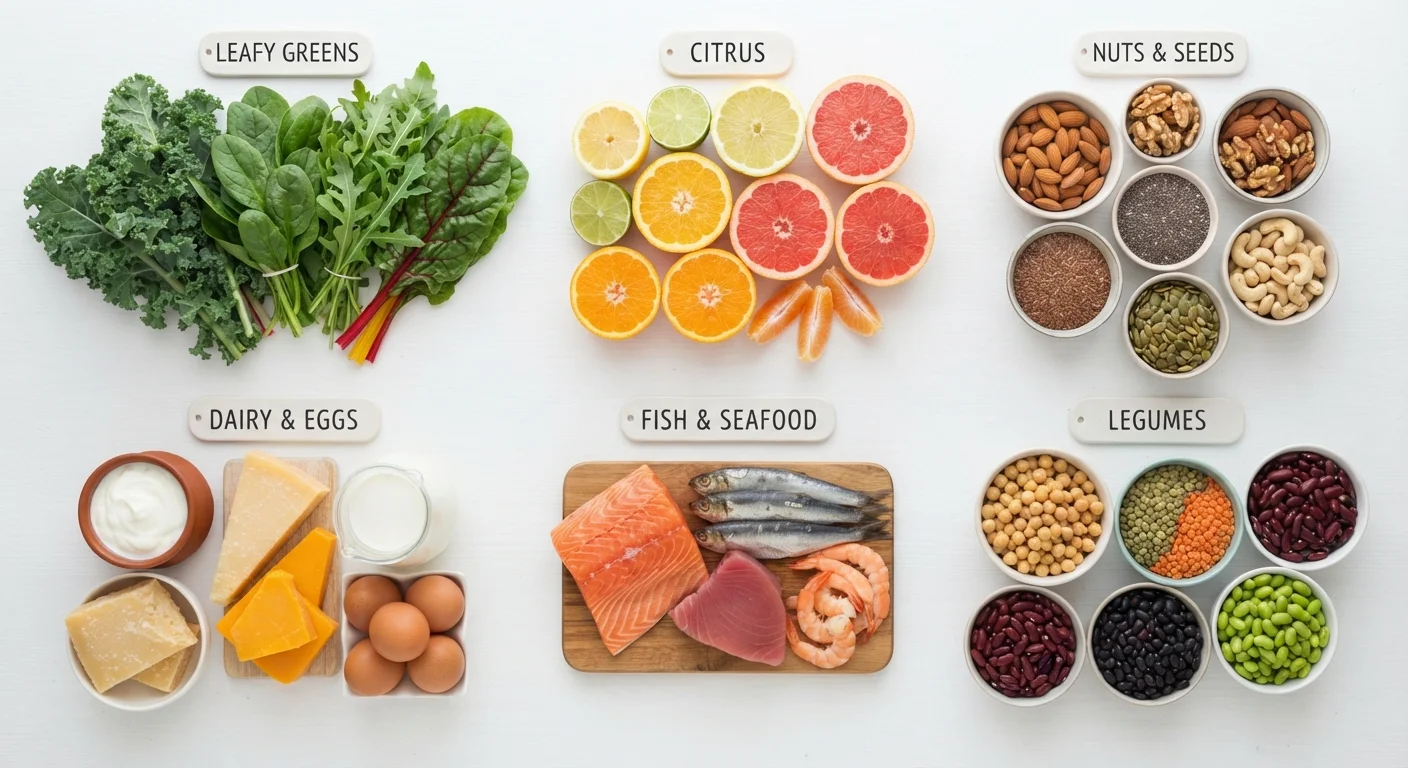
No single food delivers every micronutrient. Diversity is the most practical strategy — eating a wide range of vegetables, fruits, whole grains, legumes, lean proteins, and dairy or fortified alternatives helps cover most nutrient needs without requiring calorie counting or supplement reliance.
Certain groups face higher deficiency risk: people following strict plant-based diets may need to pay closer attention to B12, iron, calcium, and zinc; older adults absorb vitamin D and B12 less efficiently; and individuals with limited sun exposure often have lower vitamin D status. Supplements can play a role in specific cases, but should be discussed with a healthcare provider — excess intake of fat-soluble vitamins in particular can accumulate to harmful levels.
For practical guidance on structuring individual meals around these principles, see building a nutritionally complete meal without a dietitian on speed dial.
This article is for general informational and educational purposes only and does not constitute medical or dietary advice. If you have concerns about your nutritional status, a deficiency, or whether supplementation is appropriate for you, please consult a qualified healthcare professional such as a registered dietitian or physician.