

Key Takeaways
- A wellness exam is much more than a weigh-in — it's a systematic head-to-tail health assessment.
- Vets evaluate organ health, dental condition, joint function, and behavioral changes at each visit.
- Vaccine and parasite prevention schedules are reviewed and updated based on your pet's risk profile.
- Life stage matters: puppies, kittens, adults, and seniors each have different exam priorities.
- Early detection through routine visits can meaningfully reduce long-term health complications.
- Preparing questions in advance helps you get the most out of every appointment.
Annual Wellness Exam
An annual wellness exam is a scheduled, comprehensive checkup with a licensed veterinarian designed to assess your pet's overall health — even when your pet appears perfectly healthy. It typically includes a head-to-tail physical assessment, review of vaccines and parasite prevention, and a discussion of nutrition, behavior, and lifestyle. The goal is to catch developing problems early, before symptoms become serious.
Veterinarians may refer to this as a 'preventive care visit' or 'wellness visit.' For senior pets or those with chronic conditions, checkups are often recommended every six months rather than annually.
The Physical Examination: A Head-to-Tail Assessment
When your vet says they're doing a 'physical,' they mean it literally. A standard wellness exam involves a methodical review of nearly every system in your pet's body. The vet will check the eyes for cloudiness, discharge, or pressure changes; the ears for infection, mites, or polyps; and the mouth for tartar buildup, gum inflammation, and broken teeth. Dental disease is one of the most common — and most overlooked — health issues in companion animals, often hidden behind an otherwise cheerful demeanor.
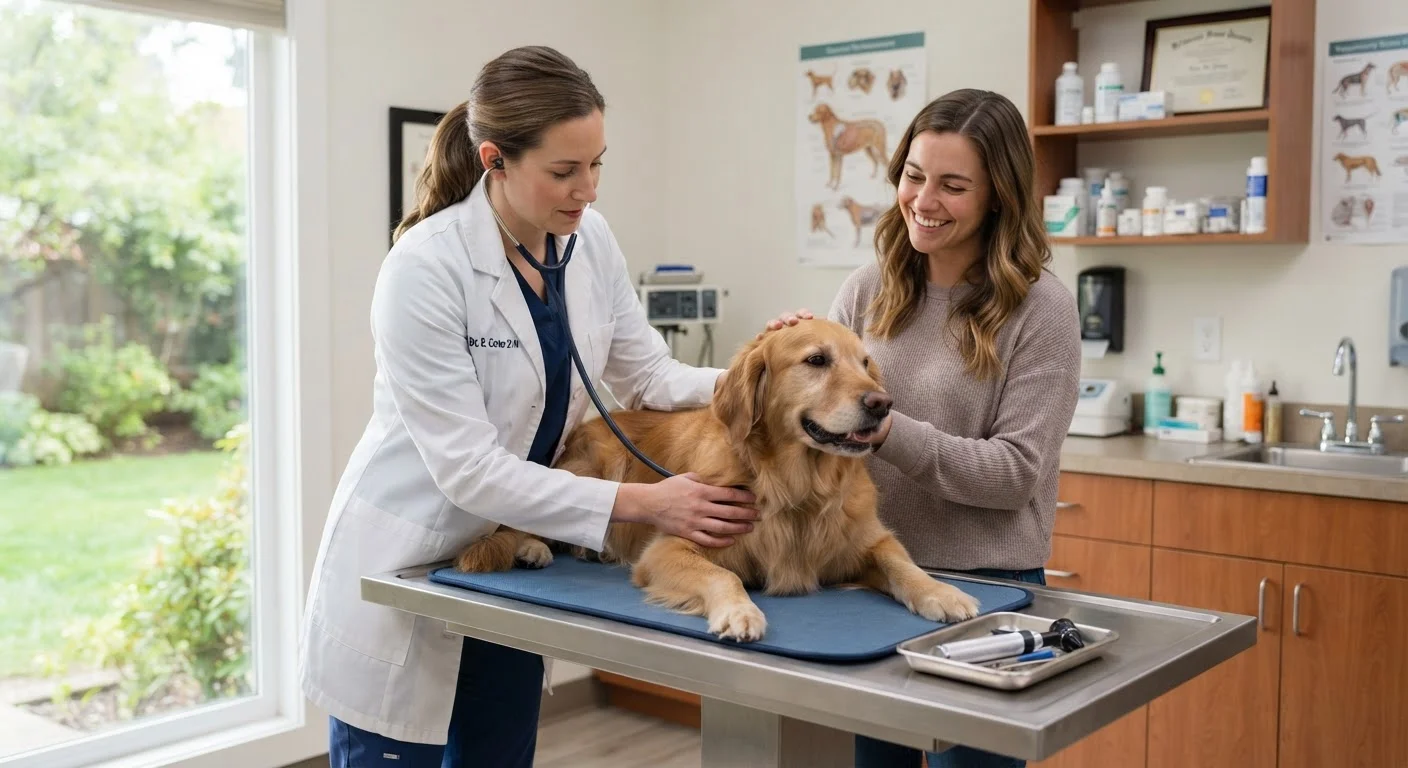
From there, the exam moves to the heart and lungs. Using a stethoscope, the vet listens for murmurs, irregular rhythms, or abnormal lung sounds that could indicate early cardiac or respiratory changes. The abdomen is palpated to assess organ size and identify any unusual masses. Lymph nodes are checked for swelling. Joints and muscles are evaluated for pain response, stiffness, or asymmetry — especially important for aging pets.
Skin and coat condition can also reveal a surprising amount: allergies, hormonal imbalances, parasites, and nutritional deficiencies often show up here first. This is also a good time to raise any lumps or bumps you've found at home. Use a structured checklist to track observations between visits so you don't forget to mention anything.
Vaccines, Parasite Prevention, and Lab Work
Your pet's vaccine schedule is reviewed at every annual visit. Core vaccines — those recommended for virtually all pets regardless of lifestyle — are updated based on how long protection lasts and current guidelines from veterinary health organizations. Non-core vaccines, like those for Lyme disease or feline leukemia, are considered based on your pet's individual exposure risk.
Parasite prevention is a related area vets will always address. Year-round protection against fleas, ticks, heartworm, and intestinal parasites is generally recommended across the US, though regional risk varies. Your vet will confirm that your current prevention approach is appropriate for your area and your pet's activities. For a broader look at what each parasite can threaten, read about the risks of common parasites.
Lab work is often recommended alongside the physical exam, particularly for middle-aged and older pets. A basic blood panel checks organ function, blood cell counts, and metabolic markers. Urinalysis can flag early kidney disease — a common and serious condition in older cats especially — long before symptoms appear. These tests give vets a data-based picture that physical observation alone cannot provide.
1 in 3
Pets that will need emergency vet care each year
Cited broadly across veterinary industry sources as a general estimate of how common unexpected pet health events are for US households.
80%
Dogs over 3 with some form of dental disease
According to the American Veterinary Medical Association (AVMA), dental disease is among the most prevalent preventable conditions in companion animals.
6–7 years
Age when senior screenings are often recommended
Many veterinary guidelines suggest more frequent monitoring and blood panels beginning around this age for dogs and cats, though breed and size affect timing.
How Exam Priorities Shift With Life Stage
What your vet focuses on changes significantly depending on your pet's age. Puppies and kittens in their first year need multiple visits to complete vaccine series, receive deworming treatment, and discuss spay or neuter timing, socialization, and nutrition. The emphasis is on establishing healthy foundations.
For adult pets in their prime years, annual visits are typically about maintaining that foundation: confirming weight is appropriate, verifying prevention is in place, and catching any early signs of disease. Weight management is worth particular attention here — obesity in pets is easier to miss than most owners expect, and vets use a body condition scoring system to assess it objectively.
Senior pets need more intensive monitoring. Organ function, mobility, cognitive changes, and pain management all become more relevant. Many vets recommend bi-annual visits for pets in their senior years, along with more frequent blood work. Understanding how health needs shift as pets age can help owners advocate effectively at these appointments.
Prepare Before You Arrive
Write down any behavioral or physical changes you've noticed since the last visit — even things that seem trivial. Bring a list of all current medications, supplements, and foods your pet eats. If your vet requests a fecal sample, collect one within 24 hours of the appointment for accurate parasite screening.
Making the Most of Every Visit
A vet appointment is a two-way conversation, and the value you get from it depends partly on what you bring to it. Before each visit, jot down any changes you've noticed — in appetite, energy, bathroom habits, or behavior. These observations are genuinely useful diagnostic information, even if they seem minor. Your vet sees your pet for minutes; you see them every day.
Ask questions. If your vet mentions a concern, ask what signs to watch for at home and when to follow up. If bloodwork is recommended, ask what it's looking for and how results will be communicated. Building a strong relationship with your veterinary team makes the whole process more effective over your pet's lifetime — something explored in more depth here.
Finally, annual exams are a meaningful part of the broader financial and practical commitment of pet ownership. Understanding what these visits typically involve — and why preventive care can reduce more costly interventions down the line — is covered in detail in a broader look at lifetime pet costs.
This article is for general informational purposes only and is not a substitute for professional veterinary advice. Always consult a licensed veterinarian for guidance specific to your pet's health needs.