

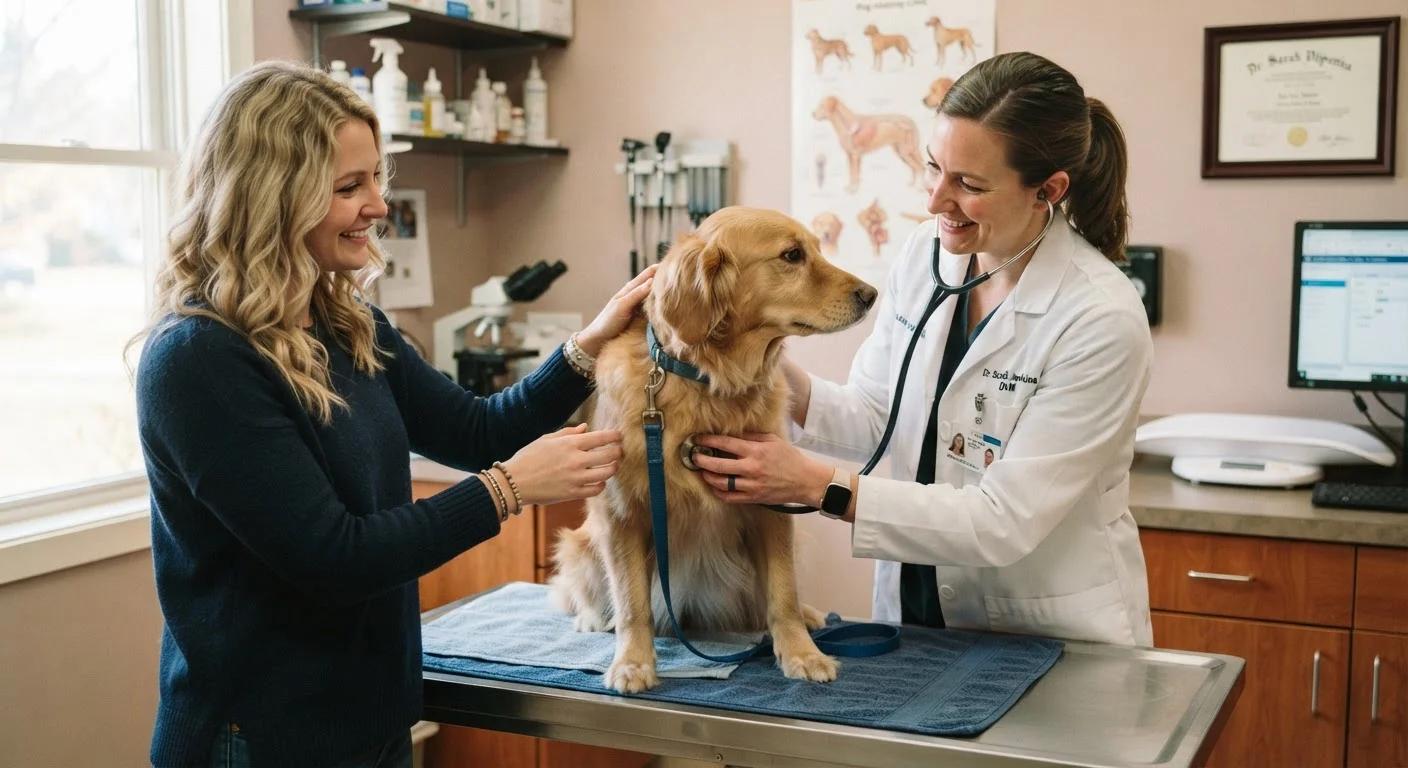
Key Takeaways
- Consistent, proactive vet communication helps catch health issues before they become serious.
- Keeping a health log between visits gives your vet a clearer picture of your pet's patterns.
- Preventive care visits are foundational — they do far more than routine check-ins.
- Asking questions and being honest about your pet's habits makes every appointment more effective.
- Finding a vet who matches your communication style builds long-term trust for your pet's benefit.
Why the Vet Relationship Matters More Than You Think
Your veterinarian is one of the most important people in your pet's life — yet for many owners, the relationship starts and ends at appointment time. Building a genuine, ongoing partnership with your vet goes well beyond showing up for annual shots. It means becoming an active participant in your pet's healthcare, and that starts with understanding what consistent vet care actually accomplishes.
Preventive visits allow your vet to establish what's normal for your specific animal — their weight trend, heart rate baseline, coat condition, and temperament. Without that history, catching subtle changes early becomes much harder. To understand what a thorough annual exam actually covers, it helps to know that vets are assessing far more than most owners realize during a routine visit.
~85%
Pets showing signs of dental disease by age 3
The American Veterinary Medical Association has noted that dental disease is among the most prevalent conditions seen in dogs and cats, often detectable only through professional examination.
1 in 3
Pets needing emergency vet care each year
Industry estimates suggest a significant proportion of pet owners face an unexpected veterinary expense annually, underscoring the value of an established vet relationship before a crisis occurs.
Communicating Effectively Before and During Appointments
One of the most underused tools in veterinary care is the pre-visit conversation. If your pet has shown any new behaviors, appetite changes, or physical symptoms — even minor ones — jot them down before the appointment. Vets work within limited time windows, and arriving with a short, organized list helps ensure nothing gets missed.
During the visit, don't hesitate to ask clarifying questions. If a diagnosis or recommendation isn't clear, ask your vet to explain it in plain language. Good vets welcome this — it means you're engaged. Be honest about your pet's lifestyle, diet, and any home remedies or supplements you've tried. Withholding that information, even unintentionally, can lead to incomplete guidance.
Prepare a Short List Before Every Visit
Even a three-item list of observations or questions makes a meaningful difference in what a vet can address. Think about changes in appetite, thirst, energy, coat, or litter box habits. The more specific you can be, the more useful your input becomes — your vet can only work with what you share.
If your pet has anxiety around vet visits, mention it when you book. Many practices now offer fear-free handling techniques that can make the experience calmer for both of you. Understanding your animal's stress signals — like those covered in our guide to reading your cat's body language — can also help you prepare.
Best Practices for Building a Lasting Vet Partnership
A strong vet relationship is built through consistent habits on your end as much as your vet's. The practices below represent what informed, engaged pet owners do to make every vet interaction count.
Keep a running health log between vet visits
Vets rely on owner observations to piece together a complete picture. A brief log of eating habits, activity levels, stool changes, or behavioral shifts gives your vet far more to work with than memory alone. It also helps you notice patterns that might otherwise go undetected.
Schedule wellness visits even when your pet seems healthy
Preventive care catches conditions in their earliest, most treatable stages. Many serious diseases in pets — dental disease, kidney decline, heart changes — progress silently. Waiting until symptoms appear often means the problem is already advanced.
Choose a vet whose communication style matches your needs
Trust is built on clear, respectful communication. If you feel rushed, unheard, or confused after appointments, that friction will quietly undermine the relationship. Finding a practice where you feel comfortable asking questions makes you a more engaged advocate for your pet.
Stay current on vaccinations and parasite prevention
Core vaccines and parasite control are among the most effective preventive tools available. Gaps in coverage — even brief ones — can expose your pet to preventable illness. Understanding the difference between core and situational vaccines helps you have more informed conversations with your vet.
Don't overlook dental health as part of routine care
Dental disease is one of the most common — and most overlooked — conditions in pets. Left untreated, it can affect the heart, kidneys, and liver. Raising dental concerns with your vet regularly keeps it on the radar.
Quick Wins to Strengthen Your Vet Relationship Starting Today
You don't need to overhaul anything overnight. Small, consistent actions compound into significantly better care over time. Try these immediately:
Planning for the financial side of ongoing vet care is equally important. Our overview of pet insurance versus a dedicated savings fund can help you think through how to prepare for both routine and unexpected costs. And to stay organized year-round, the annual pet health checklist is a practical companion to everything covered here.
This article is for general informational and educational purposes only and does not constitute veterinary or medical advice. Always consult a licensed veterinarian for guidance specific to your pet's health needs.