

Key Takeaways
- Handwashing is essential but can strip skin moisture, making post-wash care equally important.
- Cuticle health and nail maintenance are direct extensions of overall hand hygiene.
- Consistent moisturising — especially after washing — is one of the most effective protective habits.
- Water temperature, drying technique, and product choice all influence long-term hand skin condition.
- Protective gloves during chores and outdoor exposure reduce cumulative skin damage significantly.
Why Handwashing Is Only the Starting Point
Handwashing correctly — using soap, enough friction, and adequate time — is the foundation of hand hygiene. But hands are also among the most frequently washed, exposed, and overlooked areas of the body. That repetition has a cost: frequent washing strips away the skin's natural oils, gradually weakening what dermatologists call the skin barrier — the outermost layer that keeps moisture in and irritants out.
When the barrier is compromised, hands can become dry, cracked, or irritated. Those cracks, however minor they appear, can also create entry points for bacteria and environmental irritants. So hand hygiene, properly understood, isn't just about removing germs — it's about keeping the skin strong enough to do its protective job. This article covers the broader habits that make hand care genuinely effective.
For a broader look at how protective routines work across the body, the comprehensive skincare resource on ingredients, habits, and skin changes is worth reading alongside this guide.
Core Practices for Healthy, Well-Maintained Hands
Good hand care comes down to a handful of consistent habits, most of them simple and inexpensive. The key is understanding why each one matters — not just treating them as arbitrary steps.
Moisturise immediately after every wash while hands are still slightly damp.
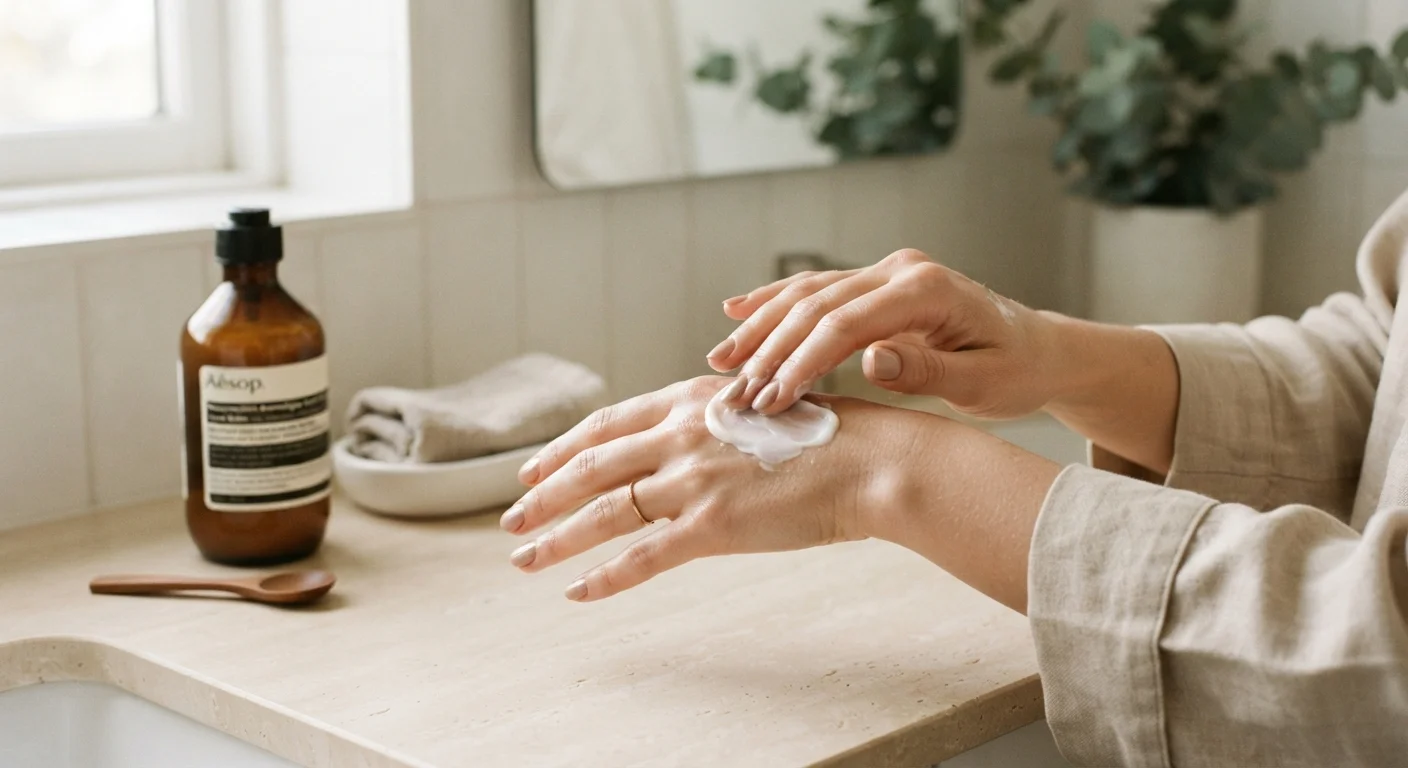
Water alone does not hydrate skin — it can actually draw moisture out as it evaporates. Applying a hand cream or lotion while a little dampness remains helps lock in that moisture before it's lost. This is especially important in dry climates or winter months when ambient humidity is low.
Use lukewarm — not hot — water when washing your hands.
Hot water is more effective at removing the skin's natural lipid layer than it is at removing germs, which are eliminated by the mechanical action of soap and friction rather than heat. Consistently washing with hot water accelerates moisture loss and can leave skin feeling tight or flaky.
Trim and file nails regularly to prevent snagging and bacterial buildup.
Nails that are too long or unevenly shaped can catch on fabric, tear at the edges, and trap debris and moisture underneath — conditions that can encourage microbial growth. Regular maintenance keeps nails functional and reduces the risk of painful breaks.
Care for cuticles gently — push them back softly, never cut them aggressively.
Cuticles form a seal between the nail plate and the surrounding skin, protecting against bacteria and fungi entering the nail bed. Cutting or tearing them disrupts this barrier and can lead to infection or inflammation (paronychia). Softening cuticles with oil or cream before pushing them back gently is far safer.
Wear protective gloves during cleaning, gardening, and prolonged water exposure.
Household cleaning products — even mild ones — contain surfactants and chemicals that degrade the skin barrier with repeated contact. Prolonged water exposure similarly causes the outer skin layer to swell and then dry, weakening it over time. Gloves act as a simple physical barrier against both.
Apply a richer hand treatment overnight for deeper, sustained hydration.
Daytime hand products often prioritise quick absorption for practicality, which means they may not provide deep or lasting moisture. Nighttime application of a thicker cream or ointment — when hands are inactive — allows ingredients more time to penetrate and work without being washed off.
These practices work together rather than in isolation. Skipping moisturising while attending to nails, for example, leaves the surrounding skin vulnerable. Likewise, keeping cuticles healthy but neglecting hand hydration after washing undermines the whole routine.
Quick Habits You Can Start Today
You don't need to overhaul your entire routine at once. Small, consistent changes tend to be more durable than dramatic ones. The following quick actions address the most common gaps in everyday hand care.
Fragrance-Free Formulas Are Worth Considering
Many hand creams contain added fragrance that can irritate skin, particularly when hands are already dry or compromised. If your hands tend toward sensitivity, looking for fragrance-free or unscented formulations is a practical step. The same logic applies to hand soaps — milder, fragrance-free options are generally less disruptive to the skin barrier over time.
Similar principles apply to other frequently overlooked areas. The seasonal lip care guide explores how protective habits make a real difference for skin that lacks oil glands — much like the backs of hands in dry or cold conditions.
This article provides general personal care information for educational purposes and does not constitute medical advice. If you experience persistent skin irritation, cracking, or other concerning symptoms on your hands, consult a qualified healthcare professional.